
Introduction
Technology continues to transform the way individuals and businesses manage information, protect digital resources, and handle everyday activities. As organizations become increasingly dependent on online platforms, the importance of prevention, security, and proactive management has grown significantly. One term that reflects this growing interest is prevention cloud.
Prevention cloud can be understood as a technology-focused concept involving cloud-based systems, digital protection, and proactive approaches to identifying and reducing potential risks. Rather than waiting for problems to occur, prevention-focused solutions aim to recognize possible threats early and provide tools that help users maintain safer and more reliable digital environments.
Cloud technology has already changed how people store files, access applications, communicate, and operate businesses. Combining cloud infrastructure with preventive strategies creates opportunities to improve security, simplify management, and support better decision-making.
This article explores prevention cloud, including its possible meaning, major features, benefits, applications, challenges, and future potential.
What Is Prevention Cloud?
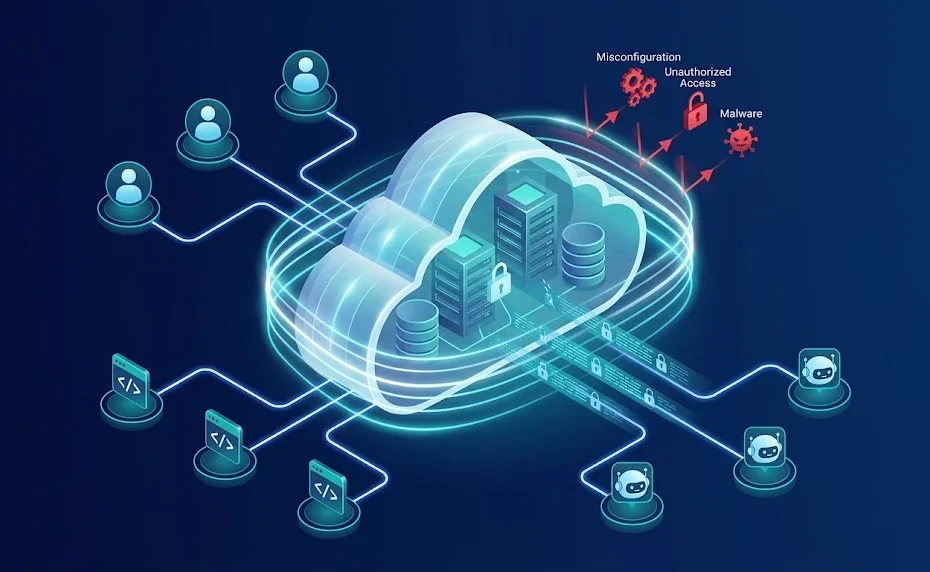
Prevention cloud refers broadly to the idea of using cloud-based technologies to prevent problems before they become serious. Depending on the context, this concept may involve cybersecurity, data protection, risk monitoring, system maintenance, or digital safety.
Traditional approaches to technology management often focus on responding after something goes wrong. For example, an organization might investigate a security incident only after suspicious activity has already affected its systems. Preventive cloud strategies take a different approach by emphasizing early detection, continuous monitoring, and proactive protection.
Cloud-based environments make this approach possible because they can collect information from different systems and provide centralized tools for analyzing potential risks.
However, prevention cloud should not automatically be considered the official name of a particular software platform or company. Its precise meaning depends on the product, service, or industry in which the expression appears.
How Does Prevention Cloud Work?
A prevention-focused cloud environment generally combines several technologies to identify potential problems and reduce their impact.
The process usually begins with information collection. Prevention Cloud ud systems receive relevant data from connected applications, devices, networks, and digital services. This information helps monitoring tools understand normal system behavior.
The next stage involves analysis. Automated systems examine available information to identify unusual patterns, suspicious activities, or possible weaknesses. Depending on the technology, this process may involve artificial intelligence, machine learning, predefined security rules, or automated monitoring.
When a potential issue is detected, the system can generate an alert or recommend an appropriate response. Some advanced solutions can also perform predefined protective actions automatically.
For example, a cybersecurity platform might identify an unusual login attempt and request additional authentication. Similarly, a cloud monitoring system could detect an unexpected increase in resource usage and notify an administrator.
The main objective is to reduce the time between identifying a potential problem and taking appropriate action.
Key Features of Prevention Cloud
Prevention cloud can involve several important capabilities. The specific features depend on the platform, but the following elements are common in preventive cloud technologies.
1. Continuous Monitoring
Continuous monitoring helps organizations maintain awareness of their digital environments. Instead of checking systems occasionally, monitoring tools observe important activities throughout the day.
This approach can help identify unusual behavior, unexpected changes, and potential security weaknesses.
For businesses managing multiple applications and services, continuous monitoring can make technology management more organized and efficient.
2. Threat Detection
Threat detection is an important part of preventive digital security. Cloud-based monitoring tools can examine network activity, account behavior, application access, and other relevant information.
When suspicious patterns appear, the system can notify responsible individuals.
Early detection is particularly important because cyber threats can develop quickly. Recognizing suspicious activity before it causes significant damage can help reduce operational and financial risks.
3. Automated Alerts
Automated alerts help users respond to potential problems without constantly checking every system manually.
For instance, administrators may receive notifications about unusual login attempts, storage limitations, suspicious file activity, or unexpected system changes.
These alerts allow technical teams to prioritize important issues and investigate them more quickly.
4. Centralized Management
Cloud platforms can bring different management functions together through a centralized dashboard.
Instead of using separate tools for every application or device, administrators may be able to monitor multiple resources from one location.
Centralized management can improve visibility, simplify reporting, and reduce unnecessary administrative work.
5. Data Protection
Data protection is another important consideration. Preventive cloud systems may support encryption, access controls, backups, recovery procedures, and monitoring.
These capabilities help organizations protect important information against accidental deletion, unauthorized access, and certain types of cyber incidents.
6. Scalability
Cloud technology allows organizations to adjust computing resources according to changing requirements.
A small business may begin with basic cloud services and expand its infrastructure as its operations grow.
This flexibility makes cloud-based preventive solutions useful for organizations with different budgets and technical requirements.
Benefits of Prevention Cloud
The growing interest in preventive cloud technology is connected to several practical advantages.
Improved Digital Security
One of the biggest advantages is the opportunity to strengthen digital security. Preventive monitoring can help identify suspicious activity before it develops into a larger incident.
Although no technology can guarantee complete protection, early detection and appropriate security controls can significantly reduce exposure to certain threats.
Reduced Operational Disruption
Technical problems can interrupt business operations, affect customer experiences, and create unnecessary expenses.
Preventive monitoring helps organizations identify possible problems before they become major disruptions.
For example, administrators can receive warnings about unusual server behavior or limited storage capacity and take corrective action before services become unavailable.
Better Resource Management
Cloud-based systems can provide useful information about how computing resources are being used.
Businesses can review performance, identify unnecessary expenses, and adjust their infrastructure according to actual requirements.
This can support more effective technology planning.
Greater Accessibility
Cloud platforms can generally be accessed through supported internet-connected devices, subject to account permissions and security requirements.
This makes it easier for authorized employees to monitor systems and review important information from different locations.
Remote accessibility is particularly valuable for organizations with distributed teams.
Improved Decision-Making
Preventive systems can generate reports, alerts, and performance information that help administrators understand their digital environments.
Instead of relying entirely on assumptions, decision-makers can use available information to identify recurring problems and establish better management strategies.
Long-Term Cost Efficiency
Preventing problems can sometimes be less expensive than repairing damage after an incident.
For example, maintaining reliable backups may reduce the financial consequences of accidental data loss.
Similarly, monitoring system performance can help organizations avoid unnecessary resource consumption.
However, the actual cost savings depend on implementation, subscription fees, maintenance requirements, and the organization’s specific needs.
Common Applications of Prevention Cloud
Prevention cloud concepts can be relevant across many industries because almost every modern organization depends on digital infrastructure.
Business and Enterprise Security
Businesses handle sensitive customer information, financial records, employee details, and internal documents.
Preventive cloud solutions can help organizations monitor access, identify unusual activity, and establish consistent security policies.
Large organizations may also use centralized monitoring to manage multiple departments and locations.
Healthcare Organizations
Healthcare providers depend on digital systems for appointments, administrative operations, electronic records, and communication.
Protecting this information is essential because unauthorized access or unexpected service interruptions can create serious consequences.
Cloud-based security and backup systems can support data protection, access management, and operational continuity when properly configured.
Healthcare organizations must also follow applicable privacy and regulatory requirements.
Education and Online Learning
Educational institutions increasingly use digital platforms for online classes, student records, assignments, and communication.
Preventive cloud technologies can help schools and universities monitor accounts, protect important files, and manage access permissions.
These capabilities can support a safer learning environment for students, teachers, and administrators.
Financial Services
Banks, financial technology companies, and payment providers manage highly sensitive information.
They need effective systems for identifying suspicious activity, monitoring access, and protecting customer data.
Cloud-based preventive technologies can contribute to security monitoring and risk management, although financial organizations must carefully evaluate regulatory and compliance requirements.
Retail and E-Commerce
Online stores depend on websites, payment systems, customer accounts, and inventory platforms.
Technical disruptions or security incidents can affect sales and customer confidence.
Preventive monitoring can help retailers identify website performance problems, unusual account activity, and potential weaknesses in their digital infrastructure.
Prevention Cloud and Cybersecurity
Cybersecurity is one of the most relevant areas when discussing prevention cloud.
Modern cyber threats include phishing, ransomware, credential theft, malware, and unauthorized access. These threats can affect individuals, small businesses, and large organizations.
A preventive approach focuses on reducing opportunities for attackers and improving the ability to recognize suspicious activities.
Several practices are particularly important.
Multi-factor authentication: Requiring additional verification makes it more difficult for unauthorized individuals to access accounts using stolen passwords.
Regular software updates: Updating operating systems and applications helps address known security vulnerabilities.
Data encryption: Encryption protects information by making it difficult to understand without the appropriate cryptographic keys.
Access management: Organizations should give employees access only to the information and systems required for their responsibilities.
Regular backups: Reliable backups provide an additional layer of protection against accidental deletion, hardware failures, and ransomware incidents.
Security awareness: Employees should understand how to recognize phishing messages, suspicious attachments, and unusual requests for confidential information.
These practices work best when combined rather than treated as independent solutions.
Challenges and Limitations of Prevention Cloud
Despite its potential benefits, prevention cloud technology also comes with challenges.
Privacy Concerns
Cloud-based monitoring may involve collecting and analyzing information about users, devices, and system activity.
Organizations must ensure that information is handled responsibly and that monitoring practices comply with applicable privacy regulations.
Transparency and appropriate access controls are important.
Dependence on Internet Connectivity
Many cloud services require reliable internet access.
If connectivity becomes unavailable, users may temporarily lose access to certain cloud-based functions.
Organizations should consider backup connectivity and business continuity arrangements.
Implementation Complexity
Connecting multiple applications, devices, and systems can require technical expertise.
Poor configuration may create security weaknesses or generate unnecessary alerts.
A carefully planned implementation can help avoid these problems.
Subscription and Maintenance Costs
Cloud platforms may involve recurring subscription charges, additional storage fees, or expenses for advanced features.
Businesses should evaluate total costs before selecting a solution.
False Alerts
Automated monitoring systems may occasionally identify normal activity as suspicious.
Too many unnecessary alerts can make it difficult for administrators to recognize genuinely important problems.
Organizations should regularly review detection settings and improve monitoring policies.
Vendor Dependence
Using a particular cloud provider can create dependence on its services, pricing structure, and technical environment.
Businesses should understand data portability, service availability, backup options, and contractual conditions before committing to a platform.
How to Choose a Prevention Cloud Solution
Selecting an appropriate preventive cloud platform requires understanding the organization’s needs.
The first step is identifying the main problems that need attention. A business primarily concerned with cybersecurity may require threat detection and identity management, while another organization may prioritize backups and system monitoring.
Next, examine the platform’s security capabilities. Important considerations include encryption, authentication, access permissions, activity logs, and incident response options.
Scalability should also be considered. A solution that works for a small team should ideally support future growth without requiring an expensive replacement.
Pricing transparency is equally important. Review subscription levels, storage limits, additional charges, and support arrangements.
Finally, evaluate customer support and documentation. Reliable technical assistance can be valuable when implementing new systems or responding to unexpected issues.
Before making a long-term commitment, organizations should test available features and confirm that the platform meets their operational requirements.
The Role of Artificial Intelligence in Prevention Cloud
Artificial intelligence is creating new possibilities for preventive cloud technologies.
Traditional monitoring systems often depend on predefined rules. Although these rules remain useful, AI-powered systems can analyze larger amounts of information and identify patterns that may be difficult to recognize manually.
For example, machine learning models can examine typical account activity and identify unusual behavior.
AI can also support automated classification, performance monitoring, anomaly detection, and security analysis.
However, artificial intelligence should not be treated as a complete replacement for human oversight.
Automated systems can make mistakes, misunderstand context, or generate inaccurate alerts. Human administrators remain important for reviewing critical decisions and ensuring that protective measures are appropriate.
Responsible implementation should include clear policies, regular testing, and appropriate supervision.
Future Potential of Prevention Cloud
The future of prevention cloud is closely connected to developments in cybersecurity, artificial intelligence, cloud computing, and automated infrastructure management.
As organizations become more digitally connected, the demand for proactive protection is likely to remain important.
One potential development is more intelligent threat detection. Future systems may become better at identifying unusual behavior while reducing unnecessary notifications.
Another important area is automated risk management. Cloud platforms may increasingly help organizations identify vulnerabilities, recommend corrective actions, and monitor whether security policies are being followed.
The growth of connected devices may also increase demand for centralized monitoring. Businesses will need effective ways to manage security across computers, mobile devices, applications, and other connected equipment.
Privacy and regulatory compliance will remain major considerations. Organizations will need to balance useful monitoring capabilities with responsible information management.
Overall, prevention-focused cloud technology has the potential to become an increasingly important part of modern digital infrastructure.
Is Prevention Cloud Suitable for Small Businesses?
Prevention cloud concepts are not limited to large corporations. Small businesses can also benefit from proactive digital protection.
Even a small online business may depend on customer databases, payment services, email accounts, websites, and cloud storage.
A security incident involving any of these resources could affect daily operations and customer trust.
Small businesses can begin with practical measures such as enabling multi-factor authentication, maintaining regular backups, updating software, and using reputable cloud services.
They can gradually introduce more advanced monitoring and security tools as their requirements increase.
The most important consideration is choosing solutions that match the available budget, technical knowledge, and business objectives.
A complicated platform is not automatically better than a simpler solution that is properly configured and consistently maintained.
Best Practices for Using Prevention Cloud Technology
Organizations can improve the effectiveness of preventive cloud systems by following a few important practices.
- Establish clear security policies: Define who can access systems and how sensitive information should be handled.
- Monitor important activities: Review account access, system performance, and unusual changes regularly.
- Maintain updated software: Apply security patches and updates whenever appropriate.
- Create reliable backups: Store important copies of information and test recovery procedures periodically.
- Train employees: Help team members understand common cyber threats and safe digital practices.
- Review system permissions: Remove unnecessary access when employees change roles or leave the organization.
- Evaluate performance: Regularly assess whether monitoring tools are producing useful results.
- Prepare an incident response plan: Establish clear procedures for investigating and managing security incidents.
Following these practices can help organizations develop a more dependable and proactive digital environment.
Conclusion
Prevention cloud represents an important concept in the evolving relationship between cloud computing, cybersecurity, and proactive technology management. By focusing on early detection, continuous monitoring, automated alerts, and effective data protection, prevention-focused cloud systems can help organizations reduce risks and improve operational reliability.
Its potential applications extend across businesses, healthcare, education, financial services, and e-commerce. However, successful implementation requires careful attention to privacy, security, costs, technical complexity, and ongoing maintenance.
It is also important to understand that prevention cloud does not necessarily refer to one specific platform or universally recognized product. Its exact meaning depends on the context in which the term is used.
As digital environments continue to expand, preventive approaches will become increasingly valuable. Organizations that combine reliable cloud infrastructure with responsible security practices can build stronger foundations for long-term digital growth. Ultimately, the greatest value of prevention cloud lies in addressing potential problems before they become costly disruptions.