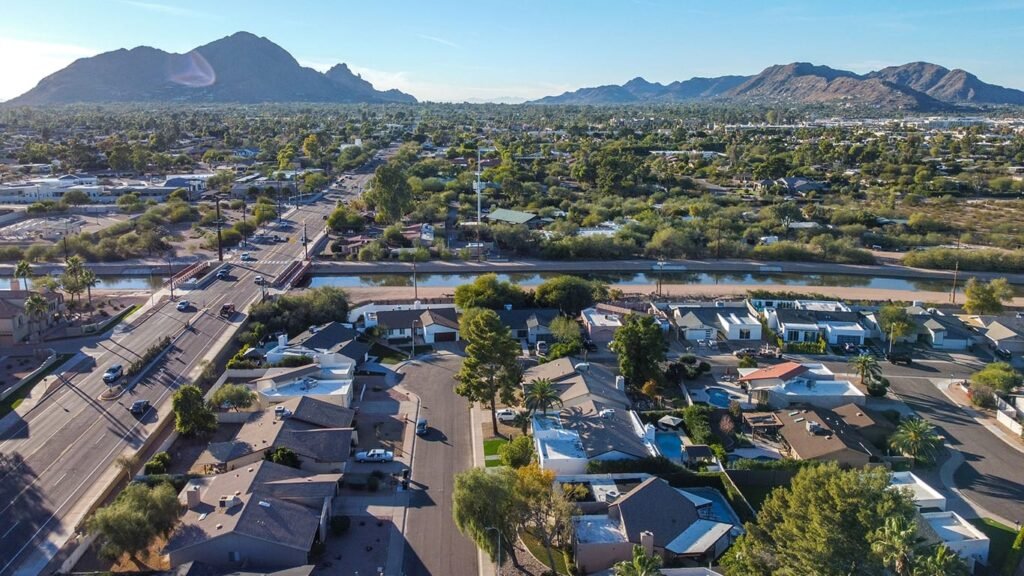

The Phoenix housing market continues to attract attention from homebuyers, sellers, investors, and real estate professionals across the United States. Known for its warm climate, expanding economy, attractive lifestyle, and growing metropolitan area, Phoenix, Arizona, has become an important destination for people looking to purchase property or relocate. Over the years, the city has experienced significant changes in housing demand, property values, construction activity, and affordability.
Whether someone is purchasing a first home, selling an existing property, investing in rental housing, or simply researching real estate trends, understanding the Phoenix housing market can help them make better decisions. Like other major housing markets, Phoenix experiences changes influenced by mortgage interest rates, employment opportunities, population movements, housing inventory, and broader economic conditions.
The real estate market is not identical across every neighborhood. Some areas offer relatively affordable properties, while others feature luxury homes, modern developments, and desirable suburban communities. Understanding these differences is essential for anyone interested in buying or selling a property in the Phoenix metropolitan area.
Understanding the Phoenix Housing Market
Phoenix is the capital of Arizona and one of the largest cities in the southwestern United States. Its metropolitan area includes several communities, such as Scottsdale, Mesa, Chandler, Gilbert, Tempe, Glendale, and Peoria. Together, these locations create a diverse housing market with properties available at different prices and lifestyle levels.
The Phoenix housing market is influenced by both local and national economic conditions. Population growth, employment opportunities, migration from other states, and housing construction all contribute to changes in property demand.
For many years, Phoenix attracted residents from expensive housing markets in California and other parts of the country. Some buyers viewed Arizona as an opportunity to find more space, enjoy a warmer climate, and potentially reduce their overall living expenses.
However, the market has become more complicated as housing costs, insurance expenses, property taxes, and mortgage rates have changed. Buyers now need to consider more than the advertised price of a home when calculating affordability.
Current Phoenix Housing Market Trends
Housing trends can change throughout the year, making it important to examine recent market information rather than relying entirely on historical performance. Phoenix has experienced periods of rapid price appreciation, slower activity, and adjustments in the balance between buyers and sellers.
One important factor is housing inventory. When more properties become available, buyers generally have additional choices and may gain greater negotiating power. When inventory becomes limited, competition can increase, particularly for homes in popular neighborhoods.
Another important trend involves the relationship between asking prices and actual selling prices. Sellers sometimes begin with ambitious listing prices, but the final transaction may depend on buyer interest, property condition, location, and the number of competing listings.
The market also differs between property categories. Single-family homes, condominiums, townhouses, and newly constructed properties may experience different levels of demand.
For this reason, anyone studying the Phoenix housing market should examine local neighborhood statistics instead of assuming that every property follows the same pricing pattern.
What Influences Home Prices in Phoenix?
Several factors influence residential property prices in Phoenix. Understanding these elements can help buyers evaluate whether a particular property represents reasonable value.
1. Mortgage Interest Rates
Mortgage interest rates are among the most important influences on housing affordability. Even a relatively small change in interest rates can significantly affect monthly mortgage payments.
When borrowing costs increase, some potential buyers delay purchasing a home because their monthly payments become more expensive. This can reduce competition and encourage sellers to negotiate.
When interest rates become more favorable, additional buyers may enter the market. Increased demand can support property values, especially in desirable locations.
2. Population Growth
Population movement has historically played an important role in Phoenix’s housing demand. People relocating for employment, education, retirement, and lifestyle reasons contribute to the need for residential properties.
The metropolitan area’s range of communities also attracts different types of residents. Young professionals may prefer locations near employment centers, while families may prioritize schools, parks, and larger homes.
3. Employment Opportunities
A healthy local economy can support housing demand. Phoenix has employment opportunities in sectors such as healthcare, education, manufacturing, technology, construction, finance, and hospitality.
When businesses expand and create jobs, more people may consider moving into the region. Stable employment can also make it easier for residents to qualify for mortgages and maintain homeownership.
4. Construction and Housing Supply
New construction plays a major role in the Phoenix housing market. Builders develop single-family homes, apartments, townhouses, and planned communities to respond to changing demand.
An increase in housing supply can provide buyers with more options. However, construction costs, land availability, infrastructure requirements, and water considerations can influence how quickly new developments become available.
Is Phoenix a Good Place to Buy a Home?
Phoenix can be an attractive location for homebuyers, but whether it is the right choice depends on individual finances, lifestyle preferences, and long-term plans.
The city offers a combination of urban amenities and suburban living. Residents can find shopping centers, restaurants, healthcare facilities, educational institutions, recreational areas, and entertainment options throughout the metropolitan region.
People who enjoy outdoor activities may appreciate the surrounding desert landscape, hiking opportunities, golf courses, and nearby mountain destinations.
However, buyers should also consider the challenges of living in a desert climate. Summer temperatures can become extremely high, increasing air-conditioning expenses and making energy efficiency an important property feature.
Homebuyers should also review homeowners association fees, insurance costs, property taxes, maintenance requirements, and potential utility expenses before making a purchase.
A property that initially appears affordable may involve additional monthly costs that affect the overall budget.
Phoenix Housing Market Prices in 2026
Home prices are among the most closely watched indicators for anyone researching the Phoenix housing market. Recent October 2026 figures show that the market is experiencing relatively modest price movements rather than the dramatic appreciation seen during previous housing booms.
According to Zillow, the typical Phoenix home value was approximately $401,741 as of October 31, 2026, representing a 1.1% decline over the previous year. Its reported median sale price for September was approximately $409,267.
Redfin reported a median Phoenix sale price of approximately $449,687 in October 2026, with prices essentially unchanged compared with the previous year. These figures use different methodologies, so they should not be treated as interchangeable measurements.
The differences highlight why buyers and investors should compare several data sources before making decisions.
Best Neighborhoods to Consider in Phoenix
Phoenix offers numerous neighborhoods and surrounding communities, each with different advantages. The right location depends on budget, commuting requirements, property preferences, and lifestyle expectations.
Downtown Phoenix
Downtown Phoenix appeals to people who enjoy an urban environment. It offers access to restaurants, entertainment venues, employment centers, apartments, and cultural attractions.
Condos and modern residential developments attract professionals who want convenient access to city amenities. However, buyers should compare parking arrangements, building fees, and neighborhood conditions before purchasing.
Scottsdale
Scottsdale is widely recognized for its upscale lifestyle, shopping destinations, golf courses, restaurants, and luxury residential properties.
The area generally attracts buyers interested in premium housing and established communities. Property prices can be considerably higher than those in many other parts of the metropolitan area.
Mesa
Mesa provides a variety of housing options, including traditional single-family homes, townhouses, and newer developments.
Its location, recreational opportunities, educational facilities, and shopping destinations make it attractive to families and working professionals.
Chandler
Chandler has become an important residential destination because of its employment opportunities, schools, business centers, and suburban atmosphere.
Technology and manufacturing employment contribute to the area’s economic appeal. Buyers looking for established communities may find several interesting options.
Gilbert
Gilbert is popular among households seeking suburban neighborhoods, parks, schools, and family-oriented amenities.
The community offers a mixture of established properties and newer developments. However, buyers should carefully compare prices because desirable neighborhoods may command higher amounts.
Is It a Buyer’s or Seller’s Market?
The balance between buyers and sellers is an important part of understanding real estate conditions.
Recent October 2026 reporting indicates that the Greater Phoenix market has shifted further toward buyers. Active listings across Metro Phoenix increased 6.8% year over year to 27,427, while listings under contract declined 13.5% to 6,347.
These figures suggest that buyers have more choices and potentially greater negotiating power than they experienced during highly competitive market periods.
For buyers, this environment may create opportunities to negotiate purchase prices, request repairs, or seek seller contributions toward closing costs.
For sellers, increased competition means that realistic pricing and attractive property presentation are particularly important.
However, market conditions are not identical everywhere. Homes in desirable locations, particularly those with attractive features and competitive prices, can still receive strong buyer interest.
Phoenix Housing Market and the Rental Property Industry
The rental market is another important part of Phoenix real estate. Population movement, employment opportunities, educational institutions, and seasonal residents contribute to rental housing demand.
Investors often consider Phoenix because of its large metropolitan population and variety of residential property types.
Single-family rental homes can appeal to families who want additional space without purchasing a property. Apartments and condominiums may attract students, professionals, and individuals seeking convenient locations.
However, rental property investment requires careful financial planning. Investors should calculate expected rental income, property taxes, insurance, maintenance expenses, vacancy periods, and property management fees.
A property with an attractive purchase price does not automatically guarantee a profitable investment.
It is also important to research local rental regulations and neighborhood conditions before purchasing an investment property.
New Construction and Housing Development
New construction remains an important element of the Phoenix housing market. Builders continue to respond to residential demand by developing properties in established neighborhoods and expanding suburban communities.
New homes can provide modern floor plans, energy-efficient appliances, updated building materials, and contemporary designs.
Some developments also include community swimming pools, walking paths, parks, fitness facilities, and recreational spaces.
However, newly constructed properties may involve additional expenses. Buyers should review builder incentives, upgrade costs, warranty coverage, homeowners association requirements, and estimated completion dates.
Comparing new construction with existing homes is particularly important because an older property may offer a larger lot or a more established location at a competitive price.
Challenges Facing the Phoenix Housing Market
Despite its many advantages, Phoenix faces several housing-related challenges.
Housing Affordability
Affordability remains a major concern for many households. Higher home prices and borrowing expenses can make homeownership difficult, particularly for first-time buyers.
Even when property prices stabilize, monthly mortgage payments may remain expensive because of interest rates and other ownership costs.
Extreme Summer Temperatures
Phoenix experiences extremely hot summers. This makes air conditioning an essential part of residential living.
Homebuyers should examine insulation, roofing materials, HVAC systems, windows, and energy efficiency. These features can influence both comfort and long-term utility expenses.
Water Resources
Water availability is an important consideration in Arizona. Long-term water management, development planning, and regional infrastructure can influence residential growth.
Buyers interested in newly developed communities should understand the applicable water provisions and local development requirements.
Insurance and Maintenance Costs
Homeowners should also consider insurance premiums, roof maintenance, plumbing, landscaping, and other ongoing expenses.
These costs vary depending on property age, location, construction quality, and coverage requirements.
Tips for First-Time Homebuyers in Phoenix
Purchasing a first home is an important financial decision. The Phoenix market offers different property types and neighborhoods, but buyers should approach the process with a clear budget.
First, determine how much you can comfortably afford. Consider your income, savings, monthly expenses, outstanding debts, and expected mortgage payments.
Second, obtain mortgage preapproval before seriously searching for properties. This can help establish a realistic budget and make negotiations more organized.
Third, research different neighborhoods. Compare commuting distances, schools, healthcare facilities, shopping centers, public transportation, and recreational opportunities.
Fourth, arrange a professional home inspection before completing a purchase. Pay particular attention to roofing, air conditioning, plumbing, electrical systems, and insulation.
Finally, avoid making decisions based entirely on short-term market predictions. A home should meet your financial needs and lifestyle requirements rather than simply appear attractive because of a temporary market opportunity.
What Is the Future Outlook for the Phoenix Housing Market?
The future of the Phoenix housing market will depend on several important economic and demographic factors.
Mortgage interest rates will remain a major influence because they directly affect purchasing power. If borrowing becomes more affordable, additional buyers could enter the market. If mortgage costs remain elevated, demand may continue to face pressure.
Housing inventory will also influence future prices. More available properties could encourage competition among sellers, while limited supply in desirable neighborhoods may support stronger values.
Employment growth and population movement will be equally important. Phoenix’s economic diversity provides a foundation for long-term housing demand, although economic conditions can change.
The market’s recent movement toward greater buyer negotiating power suggests that rapid price appreciation should not be assumed. Buyers and sellers should instead monitor local sales activity, inventory levels, and comparable property prices.
A gradual adjustment toward more balanced market conditions may provide opportunities for people who approach transactions with realistic expectations.
Final Thoughts
The Phoenix housing market remains an important real estate destination for homebuyers, sellers, and investors interested in Arizona property. Its diverse neighborhoods, employment opportunities, suburban communities, and lifestyle attractions continue to make the metropolitan area appealing.
However, changing affordability, mortgage costs, housing inventory, and environmental considerations mean that careful research is essential.
For buyers, the current environment may provide more opportunities to compare properties and negotiate favorable terms. Sellers need competitive pricing, effective marketing, and realistic expectations to attract serious buyers. Investors should focus on rental demand, operating expenses, and long-term financial performance.
Ultimately, success in the Phoenix housing market comes from understanding local conditions rather than relying on general predictions. By examining reliable housing data, comparing neighborhoods, and planning carefully, individuals can make more informed real estate decisions in one of Arizona’s most recognized metropolitan areas.