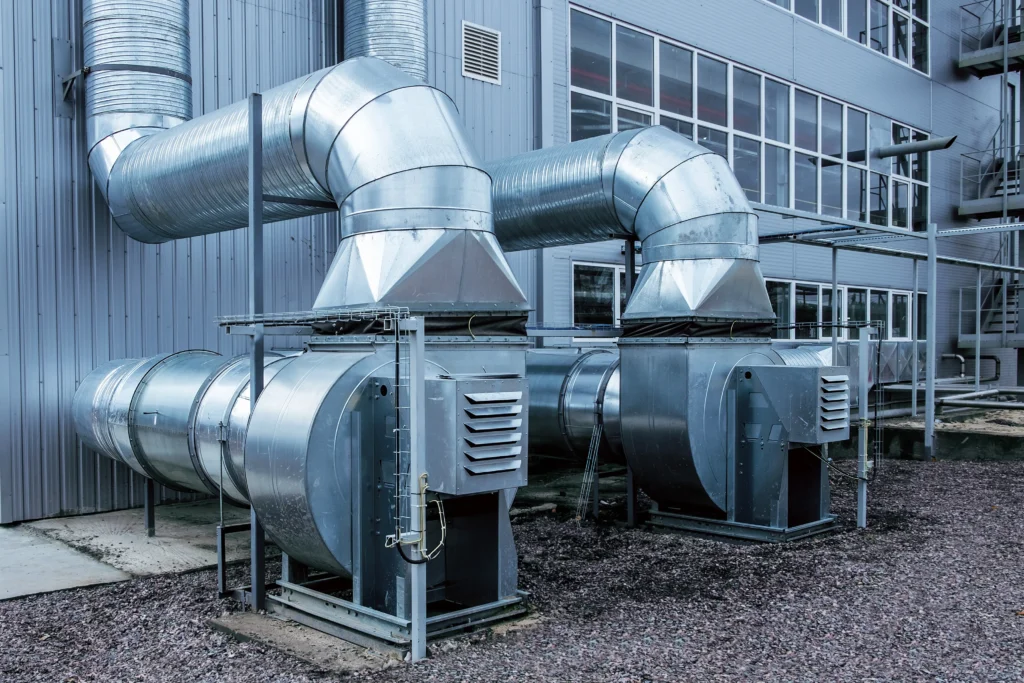

ace ventilationIntroduction
Indoor air quality plays an essential role in creating comfortable, healthy, and productive environments. Whether people are living in residential properties, working in commercial buildings, or managing industrial facilities, proper ventilation is necessary for maintaining fresh air and controlling indoor temperatures. This is where ace ventilation becomes an interesting topic for homeowners, business owners, property managers, and anyone interested in modern air circulation solutions.
Ventilation is more than simply opening windows or switching on a fan. It involves managing the movement of air throughout a building to remove unwanted particles, reduce excess moisture, control odors, and maintain a comfortable indoor environment. A well-designed ventilation system can make a noticeable difference in everyday comfort while supporting the long-term condition of a property.
Understanding ace ventilation requires looking at how ventilation systems work, what benefits they offer, which solutions are available, and why regular maintenance matters. This article explores these subjects in detail and explains how effective ventilation can improve indoor spaces.
What Is Ace Ventilation?
Ace ventilation can be understood as a ventilation-related search term associated with air circulation, indoor air management, and ventilation solutions. Depending on the company or service provider being referenced, it may describe a particular business, brand, or range of ventilation services.
The broader concept of ventilation focuses on replacing stale indoor air with fresh outdoor air or filtering and circulating existing indoor air. This process helps maintain a healthier and more comfortable atmosphere.
Modern ventilation systems are designed for different types of buildings. A small home may require a relatively simple extraction system, while a large commercial property might need a carefully planned mechanical ventilation network.
The most suitable solution depends on several factors, including building size, room arrangement, occupancy, climate, humidity levels, and the activities taking place inside the property.
Why Proper Ventilation Is Important
ace ventilation is one of the most important elements of building design. People spend considerable time indoors, making air quality an important consideration for everyday life.
Without adequate ventilation, indoor spaces can experience a buildup of carbon dioxide, moisture, odors, dust, and other airborne pollutants. These conditions can make rooms uncomfortable and may contribute to indoor air quality problems.
Proper ventilation helps remove or reduce unwanted indoor contaminants. It also supports better humidity management, particularly in kitchens, bathrooms, laundry rooms, and other areas where moisture is regularly produced.
Another important benefit is temperature management. Although ventilation systems are not necessarily designed to replace heating or air conditioning, they can support these systems by helping distribute air more effectively.
For commercial buildings, ventilation also contributes to a more comfortable working environment. Employees and visitors benefit from spaces that receive appropriate fresh-air circulation.
Different Types of Ventilation Systems
There are several ventilation methods available today. Each system serves a different purpose and may be appropriate for particular buildings or environmental conditions.
1. Natural Ventilation
Natural ventilation uses outdoor conditions to move air through a building. Windows, doors, vents, and other openings allow fresh air to enter while indoor air escapes.
This approach is relatively simple and does not necessarily require mechanical equipment. It can work effectively when outdoor air quality, weather conditions, and building design are suitable.
However, natural ventilation is not always reliable. Wind conditions, outdoor temperatures, pollution levels, and building layouts can affect its performance.
2. Mechanical Ventilation
Mechanical ventilation uses fans and other equipment to control airflow. Unlike natural ventilation, it does not depend entirely on wind or open windows.
These systems can provide more consistent airflow and are particularly useful in buildings with limited natural openings.
Mechanical ventilation is commonly used in offices, hospitals, educational institutions, factories, and modern residential properties.
3. Exhaust Ventilation
Exhaust ventilation removes unwanted air from specific areas. It is especially useful in kitchens, bathrooms, utility rooms, and other spaces where moisture, odors, and airborne contaminants can accumulate.
An exhaust fan pulls indoor air outside, helping reduce humidity and improve air circulation.
Proper installation is important because an exhaust system must have an appropriate route for removing air without creating unwanted pressure problems.
4. Supply Ventilation
Supply ventilation introduces fresh outdoor air into a building using mechanical equipment.
This approach can help maintain a controlled supply of fresh air, particularly in buildings where natural airflow is insufficient.
Depending on the system design, incoming air may also pass through filters before entering occupied spaces.
5. Balanced Ventilation
Balanced ventilation systems manage both incoming and outgoing airflow.
They are designed to supply fresh air while removing approximately the same amount of stale air. Some advanced systems also include heat recovery technology.
Balanced ventilation can be useful in modern buildings that require carefully controlled indoor air conditions.
Major Benefits of Ace Ventilation Solutions
Ventilation systems offer several practical advantages when they are selected, installed, and maintained correctly.
Improved Indoor Air Quality
One of the biggest advantages of effective ventilation is better indoor air quality.
Indoor environments can contain dust, odors, moisture, and other pollutants generated by cooking, cleaning, building materials, furniture, and everyday activities.
Appropriate ventilation helps remove indoor pollutants and introduce fresh air. When combined with suitable filtration, it can also help manage certain airborne particles.
This is particularly important in crowded buildings where several people occupy the same space for extended periods.
Better Moisture Control
Excess moisture is a common problem in residential and commercial buildings.
Bathrooms, kitchens, laundry rooms, and poorly ventilated storage areas can develop high humidity levels. If moisture remains trapped for long periods, it may encourage mold growth and damage building materials.
Ventilation helps remove humid air and supports better moisture management.
However, ventilation alone may not solve every moisture problem. Water leaks, plumbing issues, and structural dampness must also be addressed.
Increased Indoor Comfort
Fresh-air circulation can make indoor spaces feel more comfortable.
Rooms with poor airflow may feel stuffy, particularly when several people are present. Proper ventilation helps reduce this problem by supporting regular air exchange.
A suitable ventilation system can also improve the distribution of conditioned air when integrated correctly with heating and cooling equipment.
Odor Reduction
Unpleasant odors can accumulate in kitchens, bathrooms, workshops, and commercial facilities.
Exhaust ventilation helps remove odor-producing air from these locations before it spreads throughout the building.
This creates a more pleasant environment for occupants, employees, customers, and visitors.
Support for Building Protection
Moisture and condensation can gradually affect walls, ceilings, furniture, and other building materials.
By helping control humidity, ventilation systems can reduce some of the conditions associated with moisture-related damage.
This can contribute to better building maintenance and potentially reduce repair costs over time.
Ace Ventilation for Residential Properties
Homes require effective ventilation to maintain comfortable indoor conditions.
Different rooms have different ventilation needs. Kitchens produce cooking fumes and moisture, bathrooms generate humidity, and bedrooms may require fresh-air circulation throughout the night.
A residential ventilation plan should consider the entire property rather than focusing on one room.
Kitchen extractor fans are useful for removing cooking odors, steam, and airborne grease. Bathroom exhaust fans help control moisture after showers and bathing.
Living rooms and bedrooms may benefit from natural ventilation, mechanical fresh-air systems, or a combination of both.
Homeowners should also consider insulation and airtightness. Modern buildings are often designed to reduce unwanted heat loss, but tighter construction makes properly planned ventilation increasingly important.
Ace Ventilation for Commercial Buildings
Commercial properties have different requirements from residential buildings.
Offices, retail stores, restaurants, hotels, schools, and healthcare facilities often contain many occupants. Their ventilation needs depend on building size, operating hours, activities, and occupancy levels.
For example, restaurants require effective extraction systems to manage cooking fumes, heat, grease, and odors. Offices need suitable fresh-air supplies to support comfortable working conditions.
Retail environments must balance customer comfort, air circulation, and energy efficiency.
Commercial ventilation systems should be designed according to applicable building regulations and industry requirements.
Professional assessment is particularly important for larger facilities because poorly designed airflow can create uncomfortable temperature differences and inefficient energy use.
Understanding Energy Efficiency
Energy efficiency is another important consideration when choosing ventilation equipment.
Ventilation systems require energy to operate fans and associated components. However, modern equipment can help reduce unnecessary energy consumption through efficient motors, controls, and intelligent airflow management.
Variable-speed fans are one example. They can adjust their operation according to actual ventilation requirements instead of running continuously at maximum capacity.
Heat recovery ventilation systems offer another useful option. These systems transfer heat between outgoing and incoming air streams, helping reduce the amount of energy needed to condition fresh outdoor air.
The suitability of heat recovery depends on climate, building design, installation quality, and operating conditions.
Regular maintenance also contributes to efficiency because dirty filters and obstructed ducts can restrict airflow and increase equipment workload.
How to Choose the Right Ventilation System
Selecting an appropriate ventilation system requires careful consideration.
The first step is understanding the building’s requirements. A residential bathroom has different ventilation needs from a commercial kitchen or industrial workshop.
Building size is another important factor. Equipment must be appropriately sized to provide the required airflow without creating unnecessary noise or energy consumption.
Air quality should also be considered. Properties located near busy roads, industrial facilities, or dusty environments may require suitable filtration and carefully positioned outdoor air intakes.
Noise levels matter as well. A ventilation system that operates loudly may disturb people in bedrooms, meeting rooms, classrooms, and other quiet environments.
Finally, installation and maintenance requirements should be evaluated before purchasing equipment.
Comparing product specifications, airflow ratings, warranties, energy efficiency, and professional installation services can help property owners make informed decisions.
The Importance of Professional Installation
Even high-quality ventilation equipment may perform poorly if it is installed incorrectly.
Professional installation helps ensure that fans, ducts, filters, vents, and other components work together as intended.
An experienced installer can assess airflow requirements, identify suitable equipment, and determine appropriate duct routes.
Proper duct design is particularly important. Excessive bends, undersized ducts, and poorly sealed connections can restrict airflow and reduce system performance.
Professionals can also check whether the system is operating within the manufacturer’s recommended specifications.
For complex commercial or industrial projects, commissioning and airflow testing are valuable steps in confirming that the installation performs as designed.
Ventilation Maintenance and Long-Term Performance
Regular maintenance is essential for keeping ventilation systems effective.
Over time, dust and other particles can collect in filters, fans, and ductwork. These materials may reduce airflow and affect system efficiency.
A basic maintenance routine should include the following activities:
- Inspecting and cleaning ventilation grilles.
- Checking filters and replacing them when necessary.
- Examining fans for unusual noise or vibration.
- Checking ductwork for damage or air leakage.
- Removing accumulated grease from suitable kitchen extraction components.
- Confirming that outdoor air intakes remain unobstructed.
- Arranging professional inspections when required.
Maintenance frequency depends on the equipment, building environment, operating hours, and manufacturer’s recommendations.
Commercial and industrial systems may require more frequent inspections because they often operate for longer periods and handle greater ventilation demands.
Common Ventilation Problems and Their Solutions
Ventilation systems can experience different problems during their operating life.
One common issue is weak airflow. This may result from dirty filters, blocked vents, damaged fans, or poorly designed ductwork. Inspecting these components can help identify the underlying cause.
Excessive noise is another concern. Loose fittings, worn fan bearings, vibration, and airflow restrictions may contribute to unwanted sounds.
Persistent condensation may indicate insufficient ventilation or an additional moisture problem. Property owners should investigate possible leaks, insulation weaknesses, and inadequate extraction.
Unpleasant odors can also suggest that exhaust systems are not removing air effectively. Blocked ducts, dirty filters, and incorrect airflow direction are possible causes.
The best solution is to identify the actual problem rather than replacing equipment without understanding why it has stopped performing properly.
The Future of Ventilation Technology
Ventilation technology continues to evolve as building owners become more interested in indoor air quality, energy efficiency, and automation.
Smart ventilation systems are an important development. Some modern systems use sensors to monitor humidity, carbon dioxide, temperature, or other environmental conditions.
Based on sensor readings, the equipment can automatically adjust airflow to match changing requirements.
Another growing area is improved filtration. Modern filtration technologies can capture different categories of airborne particles, although performance depends on filter specifications, installation, and maintenance.
Energy recovery technology is also receiving attention because it can help reduce energy losses associated with bringing outdoor air into buildings.
As smart buildings become more common, ventilation equipment will likely become increasingly connected with heating, cooling, and building management systems.
These developments make it possible to manage indoor environments more efficiently while maintaining appropriate ventilation levels.
Why Ace Ventilation Is a Topic Worth Understanding
The growing interest in ace ventilation reflects a wider awareness of how important indoor air management has become.
People are paying closer attention to the environments where they live, work, study, and spend their free time.
Ventilation is an essential part of creating comfortable buildings. It supports fresh-air circulation, moisture management, odor reduction, and the overall performance of indoor environments.
For homeowners, understanding ventilation can help identify opportunities to improve everyday comfort. For business owners, it can support better building management and more pleasant spaces for employees and customers.
For property developers and facility managers, ventilation should be considered an important part of building design rather than an afterthought.
Conclusion
Ace ventilation is a useful topic for anyone interested in ventilation systems, indoor air quality, and modern building solutions. Effective ventilation helps maintain fresh indoor air, manage moisture, reduce unpleasant odors, and support comfortable living and working environments.
From natural airflow and exhaust fans to mechanical ventilation and advanced heat recovery systems, different solutions are available for different buildings and requirements.
Choosing the right equipment, arranging professional installation, and following a consistent maintenance schedule are all important steps toward achieving reliable performance.
As technology continues to advance, ventilation systems are becoming smarter, more efficient, and better suited to modern buildings. Understanding these developments can help property owners make informed decisions and create healthier, more comfortable indoor spaces.
Ultimately, good ventilation is not simply about moving air. It is about managing the indoor environment in a way that supports comfort, efficiency, and the long-term performance of a building.