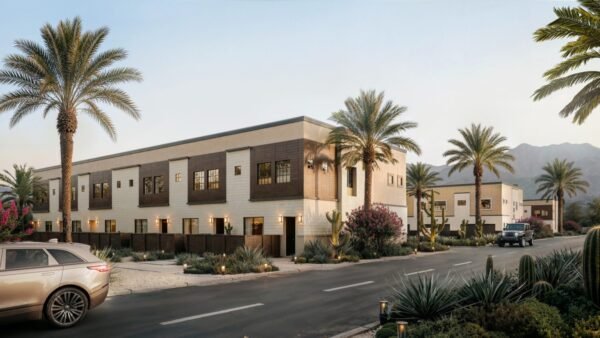

The Arizona real estate market continues to attract attention from homebuyers, sellers, investors, developers, and people looking for new opportunities in the American housing industry. Known for its warm climate, growing cities, beautiful desert landscapes, and expanding economy, Arizona has become an important destination for residential and commercial property investment. From the busy neighborhoods of Phoenix to the growing communities of Tucson, Scottsdale, Mesa, and Chandler, the state’s housing market offers a wide range of opportunities and challenges.
Following Arizona real estate news is important for anyone who wants to understand changing property prices, mortgage conditions, housing supply, rental demand, and new construction projects. Real estate conditions can change quickly because of interest rates, employment trends, population growth, and local development policies. Staying informed helps buyers make better decisions and allows sellers and investors to recognize potential opportunities.
In this article, we explore the major factors shaping Arizona’s property market, the importance of housing affordability, regional market differences, investment opportunities, and the trends that could influence the state’s real estate industry.
Understanding the Arizona Real Estate Market
Arizona has developed into one of the most interesting real estate markets in the United States. Its population growth, business-friendly environment, and attractive lifestyle have encouraged people from different parts of the country to consider moving there. This movement has supported housing demand in several metropolitan areas.
Phoenix is particularly important because it serves as the state’s largest metropolitan center. The surrounding communities of Mesa, Gilbert, Chandler, Glendale, and Scottsdale provide different housing options for families, professionals, retirees, and investors.
The market is not identical across the state. Some communities experience strong demand for affordable single-family homes, while others attract buyers interested in luxury properties, retirement communities, or investment apartments. These differences make local market research essential.
Another important factor is housing inventory. When more properties become available, buyers generally have additional choices and greater negotiating power. When inventory becomes limited, competition can increase, particularly in desirable neighborhoods.
Arizona’s real estate market also responds to national economic conditions. Mortgage interest rates, inflation, construction costs, and consumer confidence can influence how quickly properties sell and how much buyers are willing to pay.
Phoenix Housing Market and Its Growing Influence
One of the most important regions in Arizona real estate
Phoenix remains a major focus of Arizona real estate news because of its population, employment opportunities, infrastructure, and expanding residential communities.
The city offers a diverse selection of properties, including starter homes, modern apartments, townhouses, suburban developments, and luxury residences. This variety allows people with different budgets and lifestyles to explore the housing market.
Employment growth has historically played an important role in Phoenix’s real estate development. Industries such as technology, healthcare, manufacturing, finance, and logistics contribute to the regional economy. When businesses expand and create employment opportunities, housing demand can increase as workers relocate or search for homes closer to their workplaces.
However, affordability remains an important consideration. Higher borrowing costs can make homeownership difficult, especially for first-time buyers. Even when property prices stabilize, monthly mortgage payments may remain expensive because of interest rates, insurance, property taxes, and maintenance costs.
Buyers considering Phoenix should compare neighborhoods carefully rather than relying on general market averages. Location, property condition, school access, transportation, and nearby services can significantly affect a home’s long-term value.
Latest Arizona Real Estate News and Housing Market Developments
One of the biggest developments in recent Arizona real estate news is the changing balance between buyers and sellers. The Greater Phoenix housing market has been moving toward more buyer-friendly conditions as available properties increase and sales activity slows.
According to October 2026 market reporting, active listings across Metro Phoenix increased 6.8% year over year to 27,427 properties. Meanwhile, closed sales declined 9.8%, and the median sales price fell 1.5% to approximately $448,000. These figures suggest that buyers have gained more negotiating power than they had during the highly competitive housing market of previous years. AZ Big Media+1
Realtor.com also reported that Phoenix metro active listings increased 9.6% year over year in October, while the median asking price declined 4% to $475,000. Nearly 29.5% of active listings had experienced price reductions. This indicates that sellers increasingly need realistic pricing strategies to attract serious buyers. Realtor
These developments do not necessarily mean that Arizona property values are collapsing. Instead, they reflect a market adjustment in which buyers have more choices and sellers must compete more carefully.
Another important development involves mortgage rates. Higher borrowing costs have reduced purchasing power for many households. Recent reporting placed Arizona’s 30-year fixed mortgage rate at 7.44%, creating additional pressure on potential homebuyers. https://www.azfamily.com
For people following the market, these changes highlight why looking beyond headline home prices is important. Mortgage payments, insurance, maintenance expenses, and property taxes all influence the actual cost of owning a home.
Tucson Real Estate Market: Opportunities Beyond Phoenix
Tucson is another important part of Arizona’s real estate industry. Although it does not have the same economic scale as Phoenix, the city attracts buyers who appreciate its desert scenery, cultural attractions, educational institutions, and relatively different housing options.
The presence of the University of Arizona supports demand for rental properties, apartments, and student accommodation. Healthcare, education, tourism, and local businesses also contribute to the city’s employment market.
For homebuyers, Tucson may offer opportunities to explore properties in different price ranges and neighborhood settings. Some people prefer established residential communities, while others look for newly developed properties on the outskirts of the city.
Investors may also consider the rental market. Properties located near universities, hospitals, employment centers, and major transportation routes can attract tenants. However, rental demand should be evaluated using actual local figures rather than assumptions about population growth.
Tucson’s real estate market also benefits from its distinctive lifestyle. Outdoor recreation, mountain views, historic neighborhoods, and a strong cultural identity make it attractive to people who want something different from the larger metropolitan environment of Phoenix.
Scottsdale and Luxury Real Estate Trends
Scottsdale has established itself as one of Arizona’s most recognizable luxury property destinations. Its upscale communities, golf courses, resorts, restaurants, and shopping areas attract affluent buyers from across the United States.
The city’s luxury housing market includes contemporary desert homes, gated communities, spacious estates, and properties with impressive mountain views. These homes appeal to buyers seeking privacy, architectural quality, and access to premium amenities.
Recent October 2026 figures showed Scottsdale’s median home sale price reaching approximately $1.225 million, up 5.6% compared with the previous year. At the same time, closed sales declined, demonstrating that higher prices do not automatically translate into stronger transaction activity. Phoenix Agent Magazine
Luxury real estate operates differently from the entry-level housing market. High-income buyers may be less affected by mortgage rates, particularly when they purchase properties using substantial cash reserves. Nevertheless, luxury sellers still need to consider competition, property condition, and realistic market valuations.
For investors, Scottsdale can provide opportunities in luxury rentals and vacation-oriented properties. However, zoning regulations, rental restrictions, operating costs, and seasonal demand should be examined before making an investment.
Housing Affordability Remains a Major Challenge
Housing affordability is one of the most important subjects in Arizona real estate news. Although the state offers attractive communities and employment opportunities, purchasing a home can remain financially challenging for many households.
The biggest issue is the relationship between household income and monthly housing expenses. A buyer may find a property that appears affordable based on its asking price but discover that the mortgage payment, insurance, taxes, utilities, and maintenance create a much larger financial commitment.
First-time buyers often face additional difficulties because they may have limited savings for a down payment and closing expenses. They also need to account for emergency repairs and other unexpected ownership costs.
Higher mortgage interest rates make the situation more complicated. Even a relatively small change in interest rates can significantly affect the total amount paid over the life of a home loan.
A recent November 2026 report on Phoenix found that a household earning the area’s median income could afford a home valued at approximately $367,000 in October. The estimated typical monthly ownership expense, including taxes, insurance, and maintenance, was around $2,877. https://www.azfamily.com
These figures demonstrate why buyers should calculate their complete monthly housing budget before making an offer.
Affordable housing development is therefore an important issue for Arizona’s future. More housing options at different price levels could help support workers, young families, retirees, and people entering the property market for the first time.
New Construction and Residential Development Across Arizona
New construction remains an important part of Arizona’s real estate industry. Growing communities require additional homes, apartments, roads, schools, shopping centers, and public services.
Developers continue to consider residential projects in metropolitan areas and surrounding communities. New construction can offer buyers modern floor plans, energy-efficient appliances, updated building materials, and contemporary neighborhood amenities.
However, the construction industry faces several challenges. Labor availability, land prices, building materials, financing expenses, and local approval processes can influence project costs and completion schedules.
Water availability is another especially important consideration in Arizona. Because much of the state has an arid climate, residential development must account for water resources, conservation policies, and long-term infrastructure planning.
Buyers interested in newly constructed homes should carefully review builder warranties, construction quality, estimated completion dates, community fees, and included features. A newly built property is not automatically a better investment than an existing home.
Developers must also understand local demand before starting major projects. Building too many properties in a particular area can create competition and put pressure on prices, particularly when buyer demand is weak.
Rental Market Trends and Investment Opportunities
Arizona’s rental market attracts attention from individual landlords, property management companies, and larger real estate investors. Population movement, employment opportunities, educational institutions, and lifestyle preferences all contribute to rental demand.
Phoenix has a large rental market that includes apartments, townhouses, single-family homes, and multifamily developments. Tucson also attracts renters, especially students, university employees, healthcare professionals, and people who prefer renting before purchasing a home.
Investors should understand that rental profitability depends on more than monthly rent. Property taxes, insurance, maintenance, vacancy periods, management fees, repairs, and financing costs can significantly reduce returns.
A property that appears profitable on paper may generate disappointing results if it requires expensive repairs or remains vacant for several months.
Some important factors investors should examine include:
- Location: Properties near employment centers, universities, hospitals, and transportation routes may attract consistent tenant interest.
- Rental demand: Local vacancy rates and comparable rental prices help determine realistic income expectations.
- Property condition: Older homes may require substantial maintenance and renovation expenses.
- Operating costs: Insurance, taxes, utilities, and management fees influence long-term profitability.
- Local regulations: Investors should understand rental licensing requirements, zoning rules, and tenant protections.
Arizona’s rental market can offer opportunities, but successful investment requires careful research and realistic financial calculations.
How Interest Rates Influence Arizona Property Prices
Mortgage interest rates are among the most influential factors affecting the Arizona housing market. When borrowing becomes more expensive, some buyers postpone their purchases, while others reduce their budgets or search for less expensive properties.
This can affect sellers because fewer qualified buyers may be competing for available homes. Properties that previously attracted multiple offers may take longer to sell, particularly when sellers expect prices similar to those seen during stronger market conditions.
The national housing market has also experienced pressure from elevated mortgage rates. The National Association of Realtors reported that existing-home sales declined 5.5% in October 2026. The organization identified rising mortgage rates as an important obstacle for prospective buyers. nar.realtor+1
Arizona is not isolated from these national developments. Phoenix, Tucson, Scottsdale, and other communities can experience changes in buyer activity as financing conditions evolve.
However, interest rates are only one part of the equation. Employment growth, household income, housing inventory, and consumer confidence also influence property demand.
Buyers should compare mortgage offers from multiple lenders and consider different loan structures. Understanding the total borrowing cost can help prevent financial difficulties after purchasing a property.
Important Factors Shaping Arizona’s Real Estate Future
Several long-term developments could influence Arizona’s property market over the coming years.
Population growth: Arizona continues to attract attention from people considering relocation. Population changes can influence housing demand, particularly in communities with employment opportunities and established infrastructure.
Technology and business investment: Expanding technology, manufacturing, healthcare, and logistics industries can support employment and encourage residential development.
Water availability: Water conservation and resource management are essential considerations for future construction. Communities must balance development with sustainable resource planning.
Transportation improvements: Road projects, public transportation, and improved connectivity can influence neighborhood attractiveness and property values.
Housing affordability: The availability of reasonably priced homes will remain important for families, younger buyers, and workers entering the Arizona housing market.
Changing buyer preferences: Remote and hybrid work arrangements have influenced housing preferences. Some buyers prioritize additional space, home offices, outdoor areas, and access to recreational facilities.
These factors demonstrate that Arizona’s real estate future will depend on more than short-term changes in property prices.
Tips for Buyers Following Arizona Real Estate News
People interested in purchasing property should approach the market with a clear financial strategy. Reading market reports is useful, but individual research is equally important.
Here are several practical recommendations:
- Research local prices: Compare recently sold properties in the specific neighborhood rather than relying exclusively on statewide averages.
- Understand your budget: Include mortgage payments, property taxes, insurance, maintenance, and utilities.
- Compare mortgage lenders: Different lenders may offer different interest rates, fees, and loan conditions.
- Inspect the property: Professional inspections can identify structural issues, roofing problems, plumbing concerns, and other expensive repairs.
- Study neighborhood development: Check planned construction, transportation improvements, schools, and nearby services.
- Negotiate carefully: In a market with more available homes, buyers may have opportunities to negotiate prices, repairs, or closing assistance.
- Avoid emotional decisions: A property should meet your financial needs and long-term goals rather than simply appearing attractive during a viewing.
Working with an experienced local real estate professional can also help buyers understand neighborhood conditions and available properties.
Tips for Arizona Home Sellers
Sellers must also adapt to changing market conditions. When buyers have more options, pricing a home correctly becomes particularly important.
An unrealistic asking price can cause a property to remain on the market for longer than expected. Buyers may become less interested in listings that appear overpriced compared with similar homes.
Homeowners should consider the following strategies:
- Review recent comparable sales before setting an asking price.
- Improve curb appeal and maintain attractive landscaping.
- Repair visible problems before listing the property.
- Use professional photography and accurate property descriptions.
- Keep the home clean and ready for potential showings.
- Consider reasonable negotiations when receiving serious offers.
- Work with a knowledgeable real estate agent who understands the local market.
A well-maintained property with competitive pricing can attract attention even when overall housing demand is weaker.
Why Arizona Real Estate News Matters to Investors
Real estate investors need reliable market information because investment decisions often involve substantial financial commitments. Changes in property prices, rental demand, mortgage rates, and local development can influence both short-term performance and long-term returns.
Arizona offers several different investment environments. Phoenix provides access to a large metropolitan housing market, Tucson has university-related and residential rental demand, and Scottsdale attracts buyers interested in luxury properties.
Mesa, Chandler, Gilbert, and Glendale also deserve attention because their residential communities, employment opportunities, and local amenities appeal to different types of households.
However, investors should avoid assuming that every Arizona neighborhood will experience the same appreciation or rental growth. Even properties located within the same city can perform differently because of their location, condition, property type, and surrounding development.
A careful investment strategy should include cash-flow calculations, financing costs, vacancy assumptions, maintenance reserves, and an exit plan.
Keeping up with Arizona real estate news can help investors recognize changing conditions before making major decisions.
The Future Outlook for Arizona Real Estate
arizona real estate news industry is likely to remain an important part of the state’s economy. Its growing metropolitan areas, business opportunities, natural attractions, and diverse residential communities continue to make it an interesting housing destination.
Nevertheless, the market is entering a period in which buyers and sellers need to pay closer attention to affordability and realistic property valuations.
The latest Metro Phoenix figures indicate that buyers have gained negotiating power as inventory has increased and sales activity has slowed. Meanwhile, Scottsdale continues to demonstrate the strength of certain luxury property segments.
Future market conditions will depend on several factors, including mortgage rates, employment growth, construction activity, population changes, and household purchasing power.
If borrowing costs become more manageable, some buyers who have postponed their purchases may return to the market. On the other hand, continued affordability challenges could limit demand and encourage sellers to offer more competitive prices.
Water management, sustainable construction, and infrastructure development will also play important roles in determining where Arizona experiences the strongest long-term residential growth.
For buyers and investors, the most sensible approach is to focus on individual properties and local market fundamentals rather than relying on broad predictions.
Conclusion
Arizona real estate news provides valuable information for anyone interested in understanding the state’s changing housing market. From Phoenix’s expanding inventory to Scottsdale’s luxury properties and Tucson’s diverse residential communities, Arizona offers several different real estate environments.
Recent market developments suggest that buyers have more choices and greater negotiating opportunities in parts of the state. However, higher mortgage rates and housing expenses continue to create affordability challenges.
For sellers, competitive pricing, property presentation, and realistic expectations are increasingly important. For investors, careful research into rental demand, operating expenses, neighborhood development, and long-term growth potential remains essential.
Ultimately, Arizona’s real estate market will continue to evolve as economic conditions, population trends, and housing needs change. Following reliable Arizona real estate news can help buyers, sellers, and investors understand these developments and make more informed property decisions.