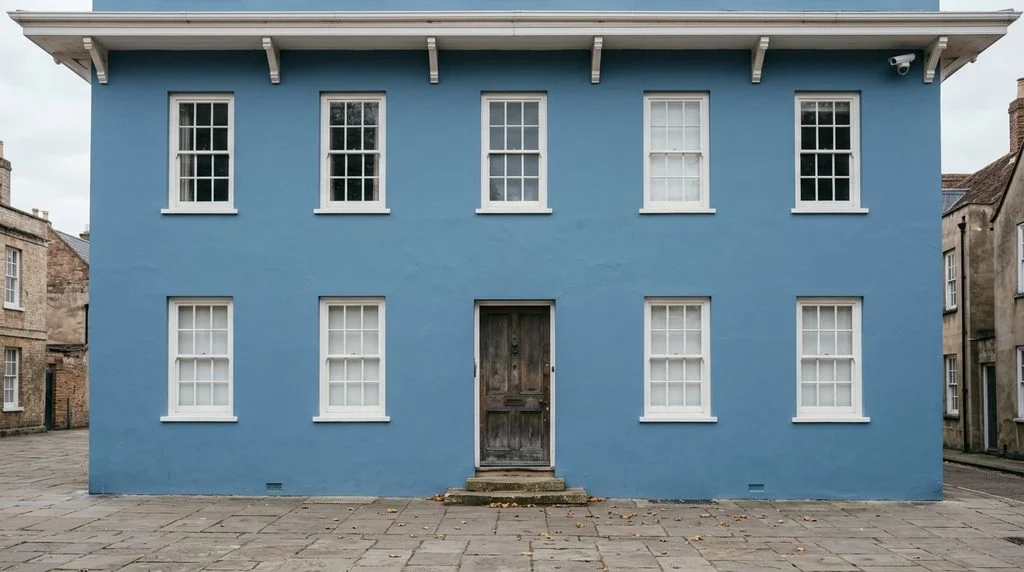

The name Casarao Azul immediately creates an image of a beautiful blue mansion filled with character, history, and architectural charm. The expression has Portuguese origins and is associated with large blue houses and distinctive properties in Brazil. However, Casarao Azul is more than just an attractive name. It can refer to different buildings, historic residences, and properties that have their own stories and cultural backgrounds.
In recent years, interest in Casarao Azul has grown among people searching for information about Brazilian architecture, historic buildings, tourism, and cultural heritage. Its meaning, location, and background make it an interesting subject for anyone curious about the relationship between architecture and local identity.
Understanding Casarao Azul requires looking beyond its name. Its architectural associations, historical connections, and different locations help explain why the term attracts attention. This article explores its meaning, history, design, cultural importance, and the reasons people continue searching for it.
What Does Casarao Azul Mean?
Casarao Azul comes from the Portuguese language. The word casarão generally describes a large house, substantial residence, or mansion, while azul means blue. Together, the expression translates approximately into English as “Blue Mansion” or “Large Blue House.”
The spelling without Portuguese accent marks is commonly used in internet searches. The traditional Portuguese spelling is Casarão Azul. Both forms generally communicate the same meaning, although the accented version follows standard Portuguese spelling.
The expression creates an impression of a spacious property with a distinctive blue exterior. Depending on the building, it may suggest traditional architecture, historical character, or a welcoming residential environment.
It is important to understand that Casarao Azul does not identify only one building. Several properties in Brazil use this name or a similar variation. Therefore, the exact location is essential when researching its history or planning a visit.
The Brazilian Connection of Casarao Azul
Brazil provides an interesting cultural background for understanding Casarao Azul. The country has a diverse architectural landscape influenced by Portuguese colonial traditions, regional construction techniques, local materials, and modern design.
Traditional Brazilian houses often reflect the climate and lifestyle of their surroundings. Some feature large windows, spacious rooms, shaded outdoor areas, decorative doors, and colorful exterior walls. These characteristics can make older residential buildings visually distinctive.
Blue is also an expressive architectural color. Depending on its shade, it can create a calm, elegant, traditional, or lively appearance. When combined with white details, wooden elements, and traditional roofing, a blue exterior can become a memorable part of a building’s identity.
The name Casarao Azul captures this combination of architectural scale and visual personality. Nevertheless, each property associated with the expression must be considered separately because its actual design and history may be different.
The Historic Casarao Azul in Planaltina, Brazil
One particularly interesting property known as Casarão Azul is located in Planaltina, an administrative region of Brazil’s Federal District. This building is notable for its connection to the area’s architectural and social history.
The residence is associated with Dr. Hosannah Pinheiro Guimarães, a physician and public figure who played an important role in the region. Historical research identifies the property as his former residence and connects it with his medical consultations.
The building is situated on Avenida Salvador Coelho, in Planaltina’s traditional neighborhood. Its location places it within an older part of the city where historic buildings help preserve memories of earlier generations.
Research by the University of Brasília describes the residence as having been constructed around 1921. The building also reflects architectural characteristics associated with the transition between colonial and eclectic styles. These details make it an interesting example of traditional residential architecture in central Brazil. bdm.unb.br+1
Who Was Dr. Hosannah Guimarães?
Dr. Hosannah Guimarães is an important figure in the history associated with the Planaltina Casarao Azul. Born in Planaltina in 1905, he pursued a medical career and later became involved in public administration.
His professional journey connected healthcare with regional leadership. He served as mayor of Planaltina and eventually held senior political responsibilities in Goiás, including the position of governor.
His association with the blue mansion gives the property a personal and historical dimension. Rather than being remembered only for its exterior appearance, the building also represents a connection to an individual whose work influenced the surrounding community.
Architectural Features of the Historic Building
The architectural character of Casarao Azul is one of its most interesting features. Traditional Brazilian residential buildings often combine practical construction methods with decorative elements influenced by different historical periods.
Research into the Planaltina property describes a combination of adobe construction and a fired-brick front. This mixture provides insight into the building techniques used during its development.
Its architectural character reflects a period when Brazilian towns were experiencing changes in residential design. Traditional materials remained important, while newer construction methods and decorative influences gradually became more common.
The building’s appearance and construction history make it valuable for understanding how residential architecture developed in Planaltina.
Casarao Azul in Itacaré: A Building That Recently Attracted Attention
Another property known as Casarão Azul is located in Itacaré, a coastal town in the southern part of Bahia, Brazil. This building became the subject of considerable public attention in late October and November 2026.
Located near Praça São Miguel in the town center, the historic property became associated with a public discussion involving cultural expression, tourism, and the use of its exterior walls.
On October 30, 2026, an artistic mural was created on the building during activities connected with Flicaré, a local literary festival. The intervention was organized by the Frente Palestina do Sul da Bahia and included messages connected with Palestinian solidarity and local cultural identity.
The artwork subsequently became controversial. Reports described disagreements involving visitors, local activists, and the building’s owner. Different participants offered different explanations about the permission granted for the artwork and the events that followed.
According to reporting by Brazilian newspaper Correio, the owner said the completed paintings went beyond what had been agreed upon. The mural was eventually covered after the owner requested its removal.
The incident attracted wider attention and became part of discussions about cultural expression, tourism, and respect for local communities. Jornal Correio+2
Why Did the Itacaré Building Become Newsworthy?
The attention surrounding the Itacaré Casarao Azul demonstrates how a historic building can become connected with contemporary social issues.
The mural was not simply a decorative project. It carried political and cultural messages that different groups interpreted in different ways. This led to disagreements about artistic expression, property rights, and the responsibilities of visitors and local residents.
It is important to distinguish reported allegations from established facts. News coverage included competing accounts from activists, the property owner, and local authorities. Readers should therefore avoid treating every claim circulating on social media as independently verified.
The Bahia state government also announced measures following wider reports of conflicts involving tourists and residents in the region. These developments brought additional attention to the importance of maintaining respectful relationships between tourism and local communities. Bnews+1
Can Visitors See Casarao Azul in Itacaré?
The building’s location near Praça São Miguel makes its exterior part of the town’s central streetscape. Visitors exploring Itacaré may encounter the property while walking through the historic center.
However, seeing the exterior does not mean that the interior is open to tourists. Public information does not establish regular museum hours or guaranteed guided tours.
Anyone interested in visiting should check current local information and respect the owner’s property rights.
The Cultural Importance of Casarao Azul
Historic buildings often serve as reminders of how communities developed. They preserve architectural traditions, local memories, and stories connected with the people who lived and worked in them.
Casarao Azul represents this relationship between buildings and cultural identity. Whether discussing the historic residence in Planaltina or the property in Itacaré, the name is connected with places that have attracted local interest.
Several factors contribute to the cultural importance of such buildings.
1. Preservation of local history
Older properties provide physical evidence of earlier lifestyles. Their construction materials, layouts, and decorative features can help researchers understand how people lived in previous generations.
2. Connection with community identity
Historic buildings frequently become recognizable landmarks. Residents may associate them with family memories, important events, or familiar neighborhood experiences.
3. Architectural education
Traditional residences provide opportunities to study construction techniques, design influences, and the development of local architecture.
4. Tourism and cultural discovery
Visitors interested in history and architecture often appreciate buildings that tell stories about their surroundings. These properties can add depth to a town’s cultural identity.
Why Is the Color Blue Important in Casarao Azul?
The blue exterior is an important part of the name and visual identity associated with Casarao Azul.
Blue is a versatile architectural color. It can create different impressions depending on its shade, brightness, and combination with other materials.
Light blue often creates a relaxed and welcoming atmosphere. Dark blue can give a building a more traditional and sophisticated appearance. Turquoise and brighter shades can produce a lively effect that works particularly well in coastal environments.
Blue also complements several architectural materials, including natural wood, white stone, ceramic tiles, and traditional roofing.
However, the actual colors and decorative details of individual properties can change over time. Restoration, repainting, and maintenance may influence their appearance.
Casarao Azul and the Importance of Historic Preservation
Preserving historic buildings requires more than maintaining attractive exterior walls. It involves protecting architectural details, understanding original construction methods, and ensuring that restoration work respects the property’s character.
Older buildings can face several challenges, including moisture damage, deteriorating materials, structural problems, and the effects of changing weather conditions.
A thoughtful preservation approach generally involves:
- Examining the building’s historical background.
- Identifying original construction materials.
- Repairing damaged architectural elements.
- Protecting traditional decorative features.
- Documenting renovations and structural changes.
- Encouraging community participation in heritage discussions.
Casarao Azul provides an interesting example of why historic properties deserve careful attention. Their value is not necessarily measured by size or appearance alone. Their connections with local history and community identity are equally important.
Why Are People Searching for Casarao Azul?
There are several reasons why the keyword Casarao Azul attracts online attention.
First, the name is distinctive and creates curiosity. People encountering the expression may want to understand its Portuguese meaning and discover whether it refers to a particular building.
Second, its association with Brazilian architecture makes it interesting to travelers, historians, and people researching traditional homes.
Third, recent news coverage involving the Itacaré property has introduced the name to a wider audience. People searching for information may want to understand what happened, where the building is located, and why it became part of a public discussion.
Finally, the name itself has an appealing architectural quality. It brings together the idea of a large residence with a memorable exterior color.
These different interests explain why it is important to provide accurate information rather than assume that every search result refers to the same property.
Frequently Asked Questions About Casarao Azul
1. What does Casarao Azul mean?
Casarao Azul is a Portuguese expression that translates approximately to Blue Mansion or Large Blue House. It combines the word casarão, meaning a large house, with azul, meaning blue.
2. Where is Casarao Azul located?
There are multiple properties using this name in Brazil. Two notable examples are the historic residence in Planaltina, in the Federal District, and the historic building near Praça São Miguel in Itacaré, Bahia.
3. Who was associated with the Planaltina Casarao Azul?
The historic residence in Planaltina is associated with Dr. Hosannah Pinheiro Guimarães, a physician and political figure who later served in important public positions in Goiás.
4. Why did the Casarao Azul in Itacaré become famous?
The Itacaré building attracted public attention following an artistic mural created on its exterior on October 30, 2026. The artwork became the subject of disagreements involving activists, visitors, and the property owner.
5. Is Casarao Azul a tourist attraction?
Its historic and architectural significance makes the properties interesting to people exploring Brazilian heritage. However, public access to their interiors should not be assumed. Visitors should confirm local arrangements before planning a tour.
6. What makes Casarao Azul architecturally interesting?
Its architectural associations include traditional Brazilian residential design, historic construction methods, and distinctive exterior appearances. The Planaltina property is particularly interesting because research describes its combination of adobe and fired-brick construction.
7. Is Casarao Azul a hotel or restaurant?
The name is used by different properties and businesses. It should not automatically be understood as the name of a hotel or restaurant. The exact location and individual property’s current use must be checked.
Conclusion
Casarao Azul is an interesting expression that connects Brazilian architecture, historical buildings, and cultural identity. Its Portuguese meaning, Blue Mansion, creates an immediate impression of a distinctive residence, but the actual stories behind the name depend on the property being discussed.
The historic house in Planaltina offers an opportunity to explore traditional construction methods and the life of Dr. Hosannah Guimarães. Meanwhile, the building in Itacaré demonstrates how historic properties can become part of contemporary cultural discussions involving local identity, tourism, and artistic expression.
Both examples show why historic buildings deserve attention beyond their exterior appearance. They preserve memories, reflect architectural development, and help communities maintain connections with their past.
Ultimately, understanding Casarao Azul means recognizing the importance of context. Identifying the correct location, examining reliable historical information, and appreciating the cultural background of each property provide a much clearer picture of its significance. Whether approached through architecture, history, or tourism, Casarao Azul remains a fascinating subject for anyone interested in Brazil’s distinctive built heritage.