
Introduction
Environmental protection has become one of the most important topics in the modern world. As populations grow and industries expand, the amount of waste produced by households, businesses, and manufacturing facilities continues to increase. Plastic packaging, electronic devices, paper products, glass containers, and other discarded materials create serious environmental challenges. Finding better ways to manage these materials is essential for building a cleaner and more sustainable future. This is where the concept of MataRecycler becomes interesting.
MataRecycler is an online platform associated with recycling education, environmental awareness, sustainable practices, and responsible waste management. Its central purpose is to make information about recycling and environmentally friendly habits easier to understand. It aims to encourage individuals, organizations, and communities to make better decisions about waste reduction, reuse, and recycling.
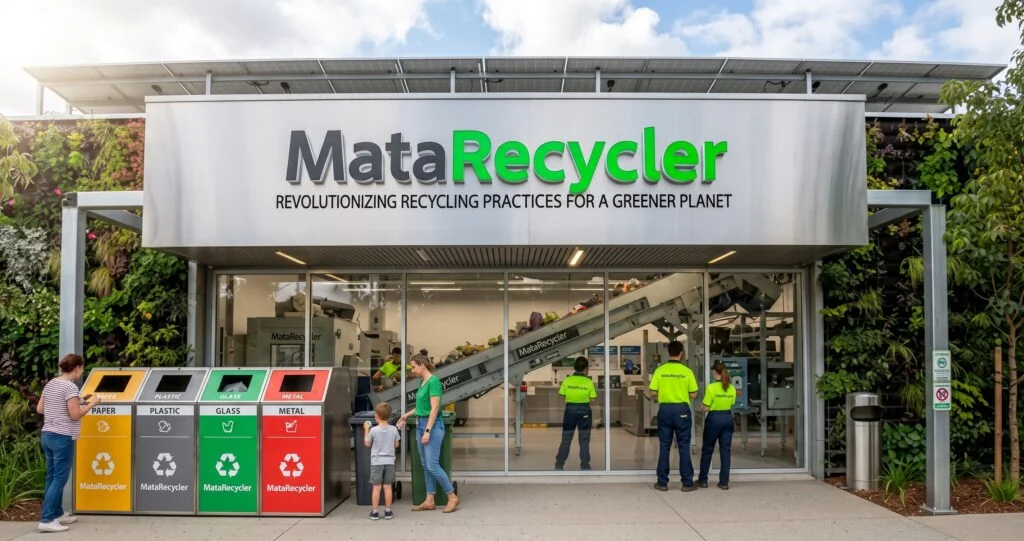
The name has also appeared in online discussions about modern recycling technology and intelligent waste management. Some articles describe MataRecycler as an advanced recycling system involving artificial intelligence, sensors, and automated sorting. However, these descriptions have not been supported by sufficient independent technical documentation to establish that a specific commercial machine or technology exists under this name.
Understanding what MataRecycler represents, what information is available, and why recycling matters can help readers develop a more informed perspective on sustainability.
What Is MataRecycler?
MataRecycler is primarily presented as an informational platform focused on responsible recycling and environmental sustainability. Its website describes a mission centered on spreading awareness about waste management, recycling processes, eco-friendly alternatives, and sustainable lifestyles.
The platform aims to make environmental information accessible to different audiences. Someone who has little experience with recycling should be able to understand basic waste-management principles, while businesses and organizations can explore broader ideas about reducing their environmental impact.
One important aspect of MataRecycler is its educational approach. Recycling is sometimes treated as a simple activity involving separate containers for paper, plastic, and glass. However, effective recycling requires a better understanding of materials, collection systems, sorting processes, and local recycling requirements.
By sharing informative content, MataRecycler aims to help readers understand these subjects and recognize the importance of responsible resource management.
It is important to distinguish the platform’s documented educational purpose from claims about advanced recycling machinery. Although smart recycling technology exists in the wider environmental industry, a dedicated MataRecycler machine has not been independently verified.
The Main Purpose of MataRecycler
The main purpose of MataRecycler is to promote better environmental awareness through accessible information. Its approach reflects the growing need for individuals and organizations to take responsibility for the waste they produce.
Several important objectives help explain this purpose.
Promoting Recycling Awareness
Many people understand that recycling is beneficial but do not always know how to recycle correctly. Some materials require special collection methods, while others cannot be processed through ordinary household recycling programs.
MataRecycler focuses on making recycling knowledge easier to understand. Educational information can help people recognize recyclable materials, avoid common mistakes, and develop better disposal habits.
Encouraging Waste Reduction
Recycling is important, but preventing unnecessary waste is equally valuable. Buying products with less packaging, avoiding disposable materials, and choosing reusable alternatives can reduce the amount of rubbish entering waste-management systems.
MataRecycler’s sustainability-focused approach supports the broader idea that reducing consumption and reusing existing products should be considered alongside recycling.
Supporting Environmental Responsibility
Environmental responsibility involves more than following recycling instructions. It also includes understanding how everyday decisions affect natural resources, pollution, energy consumption, and ecosystems.
By discussing sustainability and responsible waste management, MataRecycler encourages readers to consider the environmental consequences of their activities.
How Does MataRecycler Relate to Modern Recycling?
Modern recycling involves several connected stages. These include collecting discarded materials, separating different waste categories, processing suitable materials, and converting recovered resources into new products.
MataRecycler’s educational focus is relevant to these stages because people need reliable information to understand how recycling systems operate.
For example, households can improve recycling outcomes by separating materials correctly before collection. Businesses can review their packaging choices and introduce better waste-management procedures. Communities can encourage residents to participate in organized recycling programs.
Technology also plays an increasingly important role in modern recycling facilities. Automated sorting equipment, optical sensors, computer vision, and robotics can help identify and separate different materials.
Although these technologies are real, there is currently insufficient independent evidence to attribute specific commercial equipment or technical performance figures to MataRecycler.
Important Types of Materials That Can Be Recycled
Understanding recyclable materials is an essential part of responsible waste management. Different materials require different processing methods, and knowing these differences can help people make more informed decisions.
1. Plastic
Plastic is widely used in packaging, bottles, household products, and industrial applications. Unfortunately, plastic waste can remain in the environment for extended periods when it is not managed properly.
Some plastic products can be recycled into new packaging, containers, textiles, and other useful materials. However, not every type of plastic is accepted by every recycling facility.
People should check local recycling instructions before placing plastic items into collection containers. Cleaning containers and avoiding contamination can also improve the quality of collected materials.
2. Paper and Cardboard
Paper and cardboard are common recyclable materials found in homes, schools, and workplaces. Newspapers, cardboard boxes, office paper, and certain packaging products can often be processed into new paper products.
Keeping paper materials dry and separating them from food waste helps maintain their quality.
Businesses can also reduce paper consumption by using digital documents and printing only when necessary.
3. Glass
Glass bottles and jars can often be recycled into new glass products. One major advantage of glass is that it can be recycled repeatedly without losing many of its essential material properties.
However, collection requirements differ between locations. Some facilities accept only particular glass products, while others have separate rules for colored glass.
4. Metals
Aluminum and steel are valuable recyclable materials. Beverage cans, food containers, and certain metal products can be collected and processed for manufacturing.
Recovering metals can reduce the need to extract new raw materials. It can also support more efficient use of energy and industrial resources.
5. Electronic Waste
Electronic waste includes old computers, mobile phones, televisions, batteries, and other electronic equipment.
These products may contain valuable materials, but they can also contain substances that require careful handling.
Electronic waste should not automatically be placed in ordinary household recycling containers. Specialized collection and recycling services are often more appropriate.
The Role of Technology in Sustainable Recycling
Technology is transforming many parts of the waste-management industry. Recycling facilities increasingly use digital systems and automated equipment to improve material identification, sorting, and processing.
Artificial intelligence is one particularly interesting development.
AI-powered systems can analyze images and identify different objects moving through sorting facilities. When combined with cameras and specialized equipment, these systems may help separate recyclable materials more efficiently.
Sensors can also provide information about waste levels, material types, and equipment performance. This information can help operators make better decisions about collection and processing.
Another important development is data analytics. Recycling organizations can use collected information to understand waste patterns, identify operational problems, and plan improvements.
Some online descriptions associate MataRecycler with these technologies. Nevertheless, readers should not confuse the general development of smart recycling with proof that MataRecycler operates a specific AI-powered system.
For now, its educational and sustainability-related identity is the more clearly supported description.
Benefits of Following the MataRecycler Approach
The ideas associated with MataRecycler can offer several practical benefits when applied consistently.
Better Environmental Awareness
Learning about recycling helps individuals understand the connection between everyday consumption and environmental protection.
When people know how waste affects natural resources and ecosystems, they may become more careful about purchasing, using, and disposing of products.
Reduced Household Waste
Simple habits can reduce the amount of rubbish produced at home. Reusing shopping bags, avoiding unnecessary packaging, repairing damaged products, and separating recyclable materials are useful starting points.
These actions do not require expensive equipment or complicated systems.
Improved Resource Conservation
Recycling allows suitable materials to return to manufacturing processes instead of being discarded after a single use.
Recovering paper, metals, glass, and certain plastics can help reduce demand for virgin materials.
Stronger Community Participation
Environmental initiatives become more effective when communities work together.
Schools, residential organizations, local businesses, and community groups can organize awareness campaigns, collection activities, and educational programs.
MataRecycler’s information-focused approach supports the broader goal of making environmental knowledge available to more people.
More Responsible Business Practices
Businesses generate different types of waste through packaging, manufacturing, transportation, and daily operations.
A structured waste-management strategy can help organizations identify unnecessary materials, improve recycling practices, and reduce avoidable disposal costs.
How Individuals Can Apply Sustainable Recycling Practices
Environmental protection does not always require major lifestyle changes. Small improvements can become meaningful when adopted by many people.
Here are several practical steps that readers can follow.
Separate household waste: Keep recyclable materials separate from general rubbish according to local collection guidelines.
Reuse suitable products: Reuse containers, bags, boxes, and other items whenever it is safe and practical.
Avoid unnecessary packaging: Choose products with minimal packaging when suitable alternatives are available.
Recycle electronic equipment responsibly: Use appropriate electronic waste collection services rather than disposing of old devices carelessly.
Reduce food waste: Plan meals, store food properly, and use leftovers whenever possible.
Educate family members: Explain basic recycling practices to children and other household members.
Support community initiatives: Participate in local clean-up activities and recycling awareness programs.
These actions reflect the practical sustainability principles associated with MataRecycler.
Challenges Facing the Recycling Industry
Despite its environmental benefits, recycling faces several important challenges.
One major problem is contamination. When non-recyclable materials, food waste, or unsuitable packaging enter recycling collections, they can reduce the quality of recovered materials.
Another challenge is inconsistent recycling infrastructure. Some communities have organized collection systems and modern processing facilities, while others have limited access to recycling services.
Financial considerations also influence recycling operations. Collecting, transporting, sorting, and processing waste require equipment, workers, energy, and investment.
Public awareness remains another important issue. People may want to recycle but lack clear information about accepted materials and proper disposal methods.
MataRecycler’s educational purpose is relevant to these challenges because better information can help people understand recycling requirements and participate more effectively.
However, education must be supported by suitable infrastructure and reliable local services. Awareness alone cannot solve every waste-management problem.
MataRecycler and the Future of Sustainability
The future of recycling will likely involve a combination of public education, improved infrastructure, responsible product design, and technological innovation.
Digital platforms can help make environmental information easier to access. Automated equipment can improve sorting operations, while data-driven systems can help waste-management organizations plan more effectively.
The circular economy is another important concept connected to this future.
A circular economy aims to keep materials and products useful for as long as possible. Instead of following a traditional pattern of producing, using, and discarding products, this approach encourages repairing, reusing, refurbishing, and recycling.
MataRecycler’s focus on responsible recycling and sustainable practices fits within this broader discussion.
For the platform to become increasingly useful, accurate information, practical educational resources, and clear explanations of recycling methods will remain important.
Readers should also expect transparency when evaluating any claims about new recycling technologies. Technical specifications, independent testing, identifiable manufacturers, and documented results are important when assessing environmental products.
Is MataRecycler an AI-Powered Recycling System?
One question that frequently appears in online discussions is whether MataRecycler is an advanced recycling machine.
Some articles describe it as an intelligent waste-management system that uses artificial intelligence, sensors, automated sorting, and digital monitoring.
These descriptions sound similar to genuine technologies already used in parts of the recycling industry. However, there is not enough reliable independent documentation to confirm that a particular commercial machine or officially developed AI system operates under the MataRecycler name.
The distinction matters because an educational website and a commercial technology product are two different things.
A reader researching MataRecycler should therefore examine the specific website or product being discussed rather than accepting every online description as equally reliable.
At present, the strongest available description is that MataRecycler is an information platform associated with recycling, sustainability, and environmental awareness.
Frequently Asked Questions About MataRecycler
1. What is MataRecycler?
MataRecycler is an online platform associated with recycling education, environmental awareness, waste management, and sustainable living. Its stated purpose is to make information about responsible recycling accessible to individuals, businesses, and communities.
2. What is the main purpose of MataRecycler?
Its main purpose is to encourage responsible recycling, promote waste reduction, and share useful information about sustainable environmental practices.
3. Is MataRecycler a recycling machine?
A specific commercial recycling machine operating under the MataRecycler name has not been independently verified. The clearest documented description concerns an informational recycling and sustainability platform.
4. Does MataRecycler use artificial intelligence?
Some third-party articles associate MataRecycler with AI-powered sorting and smart recycling technology. However, these claims have not been supported by sufficient independent technical evidence.
5. Can MataRecycler help people understand recycling?
Its educational focus is intended to make recycling information easier to understand. Readers can explore general subjects such as waste reduction, material reuse, recycling processes, and environmental responsibility.
6. Why is recycling important?
Recycling helps recover useful materials, reduces the amount of waste sent for disposal, and can lower demand for newly extracted resources. Its effectiveness depends on suitable collection, sorting, and processing systems.
7. Is MataRecycler useful for businesses?
Its sustainability-related information may help businesses explore responsible waste-management practices, improve environmental awareness, and consider ways to reduce unnecessary waste.
8. What materials can be recycled?
Common recyclable materials include certain plastics, paper, cardboard, glass, aluminum, and steel. Electronic waste also requires specialized recycling arrangements. Accepted materials depend on local facilities and regulations.
9. What is the connection between MataRecycler and sustainability?
MataRecycler is associated with promoting sustainable practices by sharing information about recycling, reuse, waste reduction, and environmental awareness.
10. What is the future of recycling?
The future of recycling will likely involve better sorting technologies, improved collection systems, greater public awareness, and wider adoption of circular-economy principles.
Conclusion
MataRecycler is an interesting name within the growing online conversation about recycling, environmental awareness, and sustainable waste management. Its clearest documented identity is that of an informational platform designed to make recycling knowledge and environmentally responsible practices easier to understand.
Although some online articles describe MataRecycler as an advanced AI-powered recycling system, those specific technological claims should be treated cautiously until supported by reliable product documentation or independent verification.
The broader ideas connected with MataRecycler remain important. Reducing household waste, reusing useful products, recycling suitable materials, and educating communities can all contribute to a cleaner environment.
Ultimately, sustainability depends on consistent action rather than impressive terminology. Individuals, businesses, and communities all have a role in using resources responsibly and reducing unnecessary waste. Through accessible information and practical environmental awareness, MataRecycler represents a subject worth exploring as part of the wider discussion about responsible recycling and a more sustainable future.