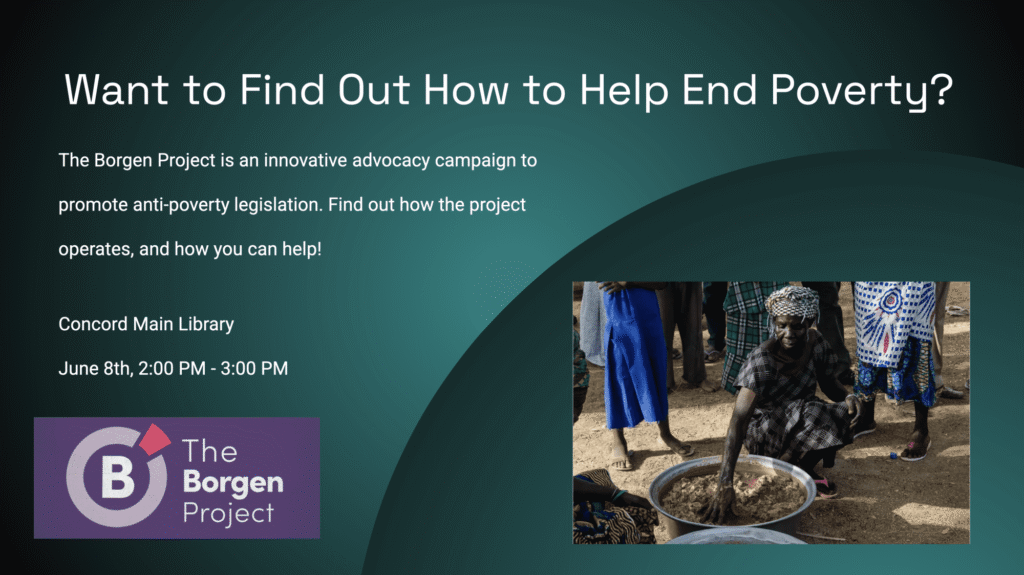

The Borgen ProjectIntroduction
Global poverty remains one of the most serious challenges facing humanity. Millions of people around the world struggle to access nutritious food, clean drinking water, quality education, healthcare, and safe living conditions. Although governments, charities, and international organizations continue working to address these problems, meaningful progress requires more than financial assistance. It also requires public awareness, political commitment, and long-term solutions.
This is where The Borgen Project plays an important role. It is a nonprofit organization dedicated to fighting extreme poverty by encouraging political leaders to prioritize international development and humanitarian issues. Rather than focusing exclusively on providing direct aid, the organization works to influence public policy, educate communities, and encourage ordinary citizens to participate in advocacy.
Since its establishment in 2003, The Borgen Project has developed into an international advocacy movement with a strong focus on reducing poverty through political engagement. Its work demonstrates how individuals, communities, and policymakers can contribute to meaningful social change.
Understanding its history, mission, activities, achievements, and future goals provides valuable insight into how advocacy can help improve living conditions for vulnerable populations.
What Is The Borgen Project?
The Borgen Project is a nonprofit organization that campaigns against extreme poverty and promotes international development. Its central belief is that powerful nations, particularly the United States, should take greater responsibility for addressing humanitarian challenges around the world.
The organization works to make global poverty a priority in foreign policy discussions. It believes that government decisions concerning international assistance, education, healthcare, food security, and infrastructure can have a significant impact on millions of people.
One of its most distinctive features is its emphasis on advocacy. Instead of operating primarily as a traditional relief organization, it encourages citizens to communicate with elected representatives and support policies that improve conditions in developing countries.
The organization uses several approaches to achieve its objectives, including:
- Meeting with members of the United States Congress.
- Educating citizens about international development.
- Encouraging people to contact elected representatives.
- Promoting legislation that addresses poverty.
- Sharing information about humanitarian challenges.
- Mobilizing volunteers and supporters.
Through these activities, The Borgen Project attempts to connect public awareness with political action.
The History and Founding of The Borgen Project
The story of The Borgen Project began with its founder, Clint Borgen. The idea developed after he experienced the humanitarian consequences of conflict and poverty while volunteering in refugee camps during the Kosovo War in 1999.
That experience helped him recognize how deeply political decisions could influence the lives of vulnerable communities. He believed that more attention needed to be directed toward people experiencing extreme poverty and humanitarian emergencies.
After graduating from Washington State University and completing an internship with the United Nations, Borgen began developing the organization in 2003.
However, establishing a nonprofit organization required financial resources. To support his idea, he accepted a job on a fishing vessel in Dutch Harbor, Alaska. He used money from his earnings to help finance the early development of the project.
The organization initially operated with limited resources, but its mission gradually attracted volunteers and supporters.
In September 2004, Borgen moved to Seattle and continued developing the organization while working another job. Early activities focused on online communication, public awareness, and mobilizing people interested in international development.
By 2006, the organization had begun meeting with congressional representatives and their offices. These meetings represented an important development because they allowed the campaign to communicate its priorities directly to policymakers.
Over the following years, The Borgen Project expanded its advocacy activities and supported several important international development initiatives.
The Main Mission of The Borgen Project
The primary mission of The Borgen Project is to reduce extreme poverty by making humanitarian development a greater political priority.
The organization believes that poverty cannot be addressed through temporary assistance alone. Although emergency relief is essential during crises, long-term improvements require effective policies, sustainable development programs, and international cooperation.
Its mission focuses on several important principles.
Fighting Extreme Poverty
Extreme poverty prevents individuals and families from meeting basic needs. People experiencing severe economic hardship may struggle to afford food, housing, healthcare, and education.
The Borgen Project supports policies designed to improve opportunities for these populations. Its advocacy highlights the importance of international development programs that help communities become more economically secure.
Promoting International Development
International development involves improving the economic, educational, health, and social conditions of communities.
The organization supports policies that encourage developing countries to strengthen essential services and build sustainable infrastructure.
Encouraging Political Responsibility
The Borgen Project believes that political leaders have an important responsibility to address humanitarian problems.
It encourages citizens to communicate with representatives and explain why international poverty reduction deserves attention.
Increasing Public Awareness
Many people understand that poverty exists but may not know how government policies influence international development.
The organization works to make complicated global issues easier to understand through educational materials, articles, campaigns, and community activities.
How The Borgen Project Works
The organization follows an advocacy-based approach that combines political engagement, public education, and community mobilization.
1. Congressional Advocacy
One of its most important activities involves communicating directly with members of the United States Congress.
Representatives and senators influence decisions about international assistance, foreign policy, and development funding. By meeting with congressional offices, The Borgen Project seeks to build support for legislation that addresses global poverty.
These meetings allow advocates to explain humanitarian challenges and discuss potential solutions.
2. Public Mobilization
Public participation is another important part of its strategy.
The organization encourages individuals to become involved in humanitarian advocacy, even if they have no previous political experience.
Supporters can contact elected officials, share educational information, participate in campaigns, and encourage other people to become interested in international development.
The underlying idea is that individual voices can become influential when many people support the same cause.
3. Education and Awareness
Education helps people understand the reasons behind poverty and the importance of international cooperation.
The Borgen Project publishes information about global challenges and development opportunities. Its educational activities explain how issues such as food insecurity, limited healthcare, and inadequate infrastructure affect communities.
This approach allows people to become more informed before participating in advocacy activities.
4. Communication and Media
Digital communication plays an important role in the organization’s work.
Its website and related publications provide information about humanitarian challenges, policy developments, and potential solutions.
The organization also launched BORGEN Magazine in January 2013 to increase awareness of global issues and highlight innovative approaches to reducing poverty.
Major Issues Addressed by The Borgen Project
The organization’s advocacy covers several areas that directly influence living conditions around the world.
Global Food Security
Food insecurity remains a major challenge for vulnerable populations.
Families experiencing food shortages may suffer from malnutrition, poor health, and limited economic opportunities. Children are particularly vulnerable because inadequate nutrition can affect their physical development and education.
The Borgen Project supports policies that strengthen agricultural development, improve access to nutritious food, and encourage effective international food assistance.
Its work has included advocacy for legislation such as the Global Food Security Act.
Clean Water and Sanitation
Access to safe drinking water is essential for human health and economic development.
In many developing communities, people must travel long distances to collect water. Others depend on unsafe water sources that increase the risk of waterborne diseases.
The organization has supported efforts to improve water infrastructure and sanitation services.
Its advocacy history includes the Water for the World Act, which became law in December 2014.
Education for Children
Education provides children with opportunities to develop essential skills and build better futures.
However, children in disadvantaged communities may face barriers such as poverty, conflict, inadequate school facilities, and limited access to qualified teachers.
The Borgen Project has supported legislation designed to strengthen basic education in developing countries.
One important example is the READ Act, which promotes international assistance for reading education and foundational learning.
Maternal and Child Health
Maternal and child health is another important area of international development.
Pregnant women and young children in disadvantaged communities may experience serious health risks because of limited medical facilities, insufficient nutrition, and inadequate healthcare services.
Policies supporting maternal healthcare, newborn survival, vaccination, and medical infrastructure can help address these challenges.
The organization has historically included maternal and child survival among its advocacy priorities.
Electricity and Infrastructure
Reliable electricity supports education, healthcare, businesses, transportation, and economic development.
Without electricity, schools may struggle to provide modern learning facilities, hospitals may experience difficulties operating essential equipment, and businesses may have limited opportunities to grow.
The Borgen Project has supported initiatives intended to expand electricity access in developing regions.
The Electrify Africa Act became law in 2016 and represented an important milestone in efforts to strengthen energy access in sub-Saharan Africa.
Major Achievements and Legislative Successes
The Borgen Project measures its progress partly through its involvement in advocacy campaigns and the development of policies addressing international poverty.
Its official success tracker highlights several important legislative achievements.
Water for the World Act
Access to clean water and sanitation has long been an important international development priority.
The organization supported the Water for the World campaign between 2009 and 2014. During this period, its reported advocacy activities included 410 meetings with congressional offices.
The legislation became law in December 2014.
This achievement demonstrated how sustained political engagement can contribute to policies addressing essential humanitarian needs.
READ Act
Education is one of the most effective tools for improving long-term economic opportunities.
The Borgen Project supported advocacy for the READ Act, which focuses on improving access to basic education and foundational learning in developing countries.
According to the organization’s success tracker, its campaign involved 138 Capitol Hill meetings and more than 9,000 constituent emails.
The READ Act became law in 2017 and was reauthorized in 2024.
The reauthorization helped continue United States support for international basic education programs.
Electrify Africa Act
Electricity access is essential for modern economic development.
The Electrify Africa Act aimed to expand electricity availability in sub-Saharan Africa and encourage investment in energy infrastructure.
The Borgen Project supported the campaign through congressional outreach and public engagement.
The legislation became law in 2016, marking another important development in the organization’s advocacy history.
Global Food Security Initiatives
Food security has also been a central part of the organization’s work.
The Global Food Security Act became law in 2016 and supported a coordinated approach to international food security and agricultural development.
These legislative efforts illustrate the organization’s broader approach: encouraging government policies that address the underlying causes of poverty rather than treating humanitarian problems as isolated events.
The Role of Volunteers in The Borgen Project
Volunteers are an important part of the organization’s advocacy model.
Unlike organizations that depend primarily on professional campaign teams, The Borgen Project encourages ordinary individuals to participate in activities that increase public awareness and political engagement.
Volunteers can contribute in several ways.
First, they can educate others about international poverty and explain why global development deserves attention.
Second, they can communicate with elected representatives to encourage support for humanitarian legislation.
Third, they can help distribute information through online platforms and community networks.
Some opportunities also involve writing, communications, fundraising, and other organizational activities.
These opportunities can be particularly valuable for students and individuals interested in international relations, journalism, public policy, nonprofit management, and social development.
Volunteering also provides practical experience in communication, research, leadership, and community engagement.
The Borgen Project and BORGEN Magazine
An important part of the organization’s public awareness strategy is BORGEN Magazine.
Launched in 2013, the publication focuses on international development, humanitarian challenges, and potential solutions to global poverty.
Its articles explore topics such as education, public health, technology, food security, environmental challenges, and economic development.
The magazine helps readers understand global problems from a broader perspective.
Rather than focusing exclusively on negative news, its coverage also highlights innovations, organizations, and initiatives working to improve living conditions.
This approach supports the wider mission of The Borgen Project by making international development more accessible to general audiences.
Why The Borgen Project Is Important
The importance of The Borgen Project comes from its focus on the relationship between public participation and government decision-making.
Poverty is influenced by many factors, including economic inequality, conflict, limited infrastructure, inadequate healthcare, and insufficient educational opportunities.
Addressing these problems requires cooperation between governments, communities, businesses, and humanitarian organizations.
Advocacy can help ensure that international development remains part of political discussions.
For example, when citizens contact representatives about food assistance or education funding, they communicate that these issues matter to voters.
When policymakers receive consistent public attention, they may be more likely to consider humanitarian priorities when developing legislation.
The organization therefore provides an example of how people can participate in global development without necessarily working directly in international aid programs.
Its approach also demonstrates that political engagement can complement traditional charitable activities.
How People Can Support The Borgen Project
People interested in supporting its mission have several possible opportunities.
Learn About Global Issues
The first step is understanding the challenges affecting vulnerable communities.
Reading educational articles and following international development news can help individuals become more informed.
Contact Political Representatives
Citizens can communicate with their elected officials about legislation related to poverty reduction, education, healthcare, and humanitarian assistance.
The organization provides opportunities for people to participate in this type of advocacy.
Volunteer
Individuals interested in making a practical contribution can explore available volunteer opportunities.
These may involve writing, research, community outreach, public awareness, and advocacy-related responsibilities.
Share Information
Social media and online communication make it easier to distribute information about humanitarian issues.
Sharing reliable educational content can encourage more people to learn about global development.
Make a Donation
Financial contributions can support nonprofit operations and advocacy activities.
Anyone considering a donation should review the organization’s official financial information, donation policies, and available reporting before making a decision.
Challenges Facing The Borgen Project
Although advocacy can influence public policy, it also presents several challenges.
One major difficulty is that legislative change often takes considerable time. A proposed policy may require multiple meetings, discussions, negotiations, and voting stages before becoming law.
Another challenge involves competition for political attention. Governments face numerous domestic and international priorities, and humanitarian issues can sometimes receive less attention than other political concerns.
Public awareness is also important. Many people are unfamiliar with the relationship between international development and government policy.
Organizations such as The Borgen Project must therefore continue educating communities and encouraging participation.
Measuring impact can also be complicated. A law passing is an important milestone, but its long-term success depends on implementation, funding, cooperation, and measurable improvements in people’s lives.
It is important to distinguish between supporting legislation and independently delivering every outcome associated with that legislation.
Recognizing these challenges provides a more balanced understanding of the organization’s work.
The Future of The Borgen Project
The future of The Borgen Project will likely continue to depend on its ability to connect public awareness with political action.
Global development challenges are constantly changing. Climate-related disasters, economic instability, international conflicts, food insecurity, and public health emergencies can create new obstacles for vulnerable populations.
These problems require effective policies and international cooperation.
Digital technology may also create additional opportunities for advocacy. Online campaigns, educational publications, and social media communication can help organizations reach larger audiences.
At the same time, maintaining public trust through transparency, responsible communication, and measurable reporting will remain important.
The organization’s long-term contribution will depend not only on the number of people it mobilizes but also on the effectiveness of the policies it supports and the real improvements those policies help create.
By continuing to encourage political engagement and public education, The Borgen Project can remain part of broader conversations about humanitarian responsibility and international development.
Conclusion
The Borgen Project represents an important approach to fighting global poverty through advocacy, education, and political engagement.
Founded by Clint Borgen in 2003, the organization developed from a small initiative into a broader campaign encouraging political leaders to prioritize humanitarian issues.
Its work covers essential areas such as food security, clean water, education, electricity access, and maternal and child health. Its involvement in campaigns supporting the Water for the World Act, READ Act, Electrify Africa Act, and other development initiatives demonstrates the importance of sustained advocacy.
Perhaps its most valuable contribution is its effort to show that ordinary citizens can participate in international development by becoming informed, communicating with policymakers, and supporting meaningful legislation.
Although extreme poverty remains a complicated global challenge, organizations that promote awareness, cooperation, and responsible political action can help create opportunities for long-term progress.
Ultimately, The Borgen Project highlights an important message: fighting poverty is not solely the responsibility of governments or humanitarian professionals. Individuals also have a role to play in building a world where more people can access the resources and opportunities necessary for a better life.