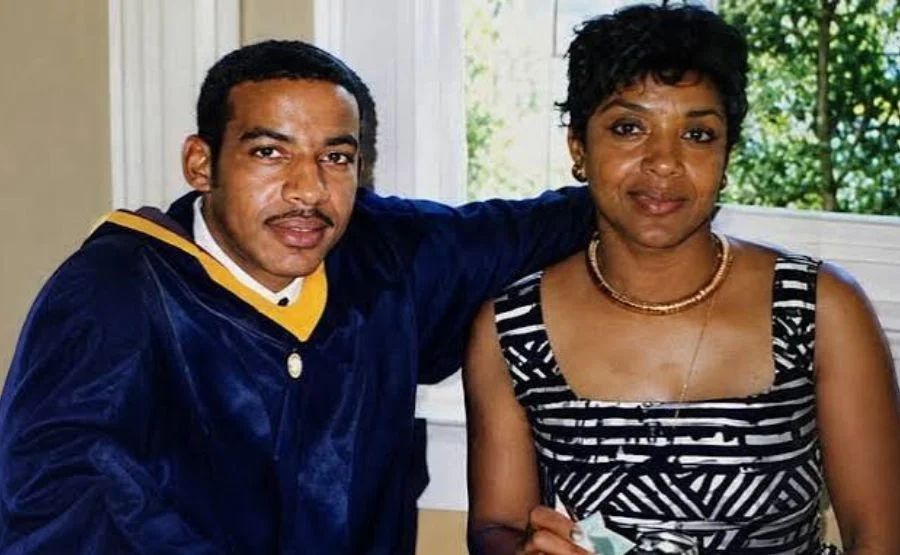

William Lancelot Bowles III is a name that often sparks curiosity because of his connection to one of the most respected figures in American television and theater, Phylicia Rashad. While many members of his family have built highly visible careers in entertainment, William has chosen a remarkably different path. His story is one of privacy, individuality, and the ability to create a life away from the constant attention that often surrounds famous families.
Born in 1973, William Lancelot Bowles III is the son of actress Phylicia Rashad and her first husband, William Lancelot Bowles Jr. Despite growing up around theater and the performing arts, he did not become a public figure or follow his mother into acting. Instead, the limited public information available about him suggests that he pursued work in computer graphics and maintained a low-profile lifestyle.
His life is especially interesting because it offers a different perspective on celebrity families. Not every child of a famous person wants to stand in front of a camera. For William Lancelot Bowles III, privacy appears to have been an important part of his identity.
Who Is William Lancelot Bowles III?
William Lancelot Bowles III is best known publicly as the eldest child of acclaimed actress Phylicia Rashad. He is sometimes referred to as Billy Bowles in accounts of his childhood and family life.
His mother became internationally recognized for her memorable role as Clair Huxtable on The Cosby Show. However, long before her television fame, Phylicia Rashad was building a successful career in theater and on Broadway. William was therefore exposed to the creative world from an early age.
His father, William Lancelot Bowles Jr., worked as a dentist. The distinction between father and son is important because their similar names have sometimes created confusion in online biographies. William Lancelot Bowles Jr. was Phylicia Rashad’s first husband, while William Lancelot Bowles III is their son.
Although his family connections have attracted public interest, William himself has remained largely outside the spotlight.
Early Life and Family Background
William Lancelot Bowles III was born during his parents’ marriage in the early 1970s. His parents married in 1972, and their marriage ended in divorce in 1975, when William was still very young.
Growing up, he experienced an environment that combined professional ambition with artistic creativity. His father represented a traditional professional career in dentistry, while his mother was deeply involved in acting, theater, and eventually television.
This combination may have given William a broad view of the different directions a person can take in life. Being raised around performers did not mean that he had to become a performer himself. In fact, his later choices suggest that he developed interests separate from the public careers of other members of his family.
Accounts of his childhood also indicate that he spent time around his mother’s theater work. Phylicia Rashad balanced motherhood with a demanding career, and William was exposed to rehearsals and the behind-the-scenes world of stage productions.
Growing Up Around the Performing Arts
For many children, a theater rehearsal would be an unusual place to spend time. For William Lancelot Bowles III, exposure to the performing arts was part of his family environment.
His mother’s career eventually made her one of the most recognizable actresses of her generation. Her work extended beyond television into Broadway, theater direction, and other creative projects. William therefore had a close view of the discipline and effort required to build a successful artistic career.
However, being surrounded by entertainment does not always lead someone to pursue fame. William’s story demonstrates that children from well-known families can make very different choices.
Rather than building a public identity based on his family name, he appears to have preferred a quieter professional and personal life. This decision has made information about him relatively limited, but it has also become one of the most distinctive aspects of his story.
William Lancelot Bowles III and His Career
One of the few widely reported details about William Lancelot Bowles III’s professional life is his connection to computer graphics. Public accounts have described him as working in this field rather than pursuing acting or another highly visible entertainment career.
Computer graphics is a broad and creative area that can involve digital design, animation, visual imagery, rendering, and other forms of technology-based visual work. It can allow someone to work creatively without becoming a public personality.
This reported career direction is particularly interesting when viewed alongside his family background. Although William did not become an actor, computer graphics still represents a field that combines creativity and technical skill.
It is important, however, to recognize the limits of publicly available information. Detailed information about his employers, projects, education, and current professional activities has not been widely confirmed. A respectful biography should avoid turning limited information into speculation.
His Relationship With a Famous Family
William’s family is strongly connected to the arts and entertainment world. His mother, Phylicia Rashad, has had a celebrated career on stage and screen. He also has a younger half-sister, Condola Rashad, who developed her own successful career as an actress.
Condola Rashad has worked in theater, television, and film, continuing the family’s strong connection to the performing arts. This creates an interesting contrast within the family: while some members chose highly public creative careers, William Lancelot Bowles III followed a more private direction.
This difference should not be seen as a competition between family members. Instead, it highlights the importance of individuality. Success can take many forms, and a person does not need public recognition to build a meaningful professional life.
Why Does William Lancelot Bowles III Remain Private?
One of the most noticeable things about William Lancelot Bowles III is his limited public presence. Unlike many people connected to famous actors or entertainers, he has not built a major public profile through interviews, social media, or regular media appearances.
There are several possible reasons why a person may choose privacy, but it is best not to assume his personal motivations without direct confirmation. What is clear is that his public record remains much smaller than that of his famous relatives.
In today’s world, privacy has become increasingly difficult to maintain. Social media, entertainment news, and online celebrity culture can bring attention to the relatives of public figures even when they do not seek it.
William’s low public profile demonstrates that it is still possible, at least to some extent, to maintain boundaries between family fame and personal life.
Separating Facts From Online Speculation
Because William Lancelot Bowles III is a relatively private individual, many websites have attempted to fill the gaps in his biography. This can sometimes lead to conflicting or unsupported claims about his personal life.
Readers should be careful when encountering information about his marriage, children, finances, exact residence, education, or current employment. These details are not widely established through reliable public reporting.
The most consistently reported facts are connected to his family background: he was born in 1973, he is the son of Phylicia Rashad and William Lancelot Bowles Jr., and he has a younger half-sister, Condola Rashad. Public reporting has also associated him with computer graphics.
Respecting these limits is important. A person’s decision to remain private should not become an invitation for others to invent details about their life.
The Importance of Having an Identity Beyond Fame
Perhaps the most interesting lesson from the story of William Lancelot Bowles III is the value of personal independence.
Being connected to a famous family can create expectations. People may assume that the children of actors, musicians, athletes, or other public figures will follow similar careers. However, every individual has different interests, goals, and definitions of success.
William appears to represent a different path. Instead of becoming known primarily for public appearances or entertainment work, he has maintained a life with much less media attention.
There is something meaningful about that choice. Fame can create opportunities, but it can also bring pressure and constant public scrutiny. Choosing a quieter life can be just as intentional and valuable as choosing a career in the spotlight.
The Legacy of William Lancelot Bowles III
William Lancelot Bowles III may not have a long list of public film credits, television interviews, or celebrity appearances, but his story remains interesting because of the contrast it presents.
He grew up in a family with a deep connection to the arts. His mother became a celebrated actress, and his half-sister followed a successful path in acting. Yet William appears to have chosen his own professional direction and maintained his privacy.
His legacy, therefore, is connected to individuality. He reminds readers that being born into a famous family does not mean a person must live a famous life.
Sometimes the most meaningful achievements happen outside the public eye.
Final Thoughts
William Lancelot Bowles III remains a figure of interest because his life stands apart from the celebrity culture surrounding his family. As the son of Phylicia Rashad and William Lancelot Bowles Jr., he grew up with connections to both professional achievement and the performing arts.
Yet his story is not simply about being the son of a famous actress. It is also about choosing an independent path. Public information indicates that he pursued work associated with computer graphics and has largely stayed away from the entertainment spotlight.
In an age when visibility is often treated as a measure of success, William Lancelot Bowles III offers a different example. A person can come from a famous family, pursue their own interests, protect their privacy, and still have a story worth understanding.
Ultimately, his life serves as a reminder that every individual deserves an identity beyond their family name. Fame may be part of someone’s background, but it does not have to determine their future.